
From seismic-tolerant residential profiles to motorized tropical ventilation systems, explore our certified fenestration portfolio engineered specifically for high-precipitation, high-salinity microclimates.
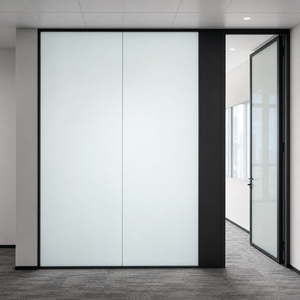 Smart Glazing
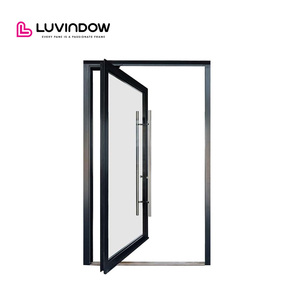 Luxury Pivot
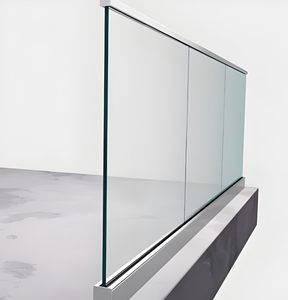 Marine Balustrade
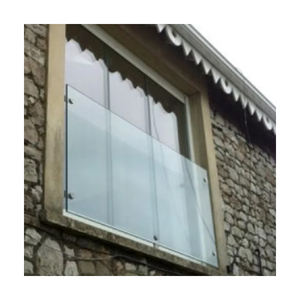 Juliet Facade
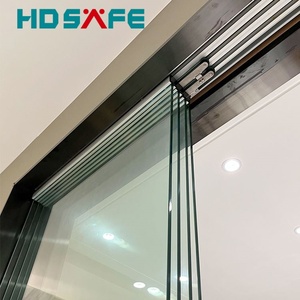 Acoustic Partition
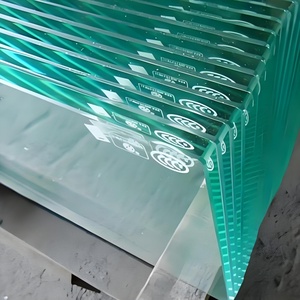 Pool Perimeter
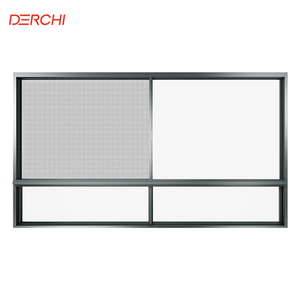 Thermal Break
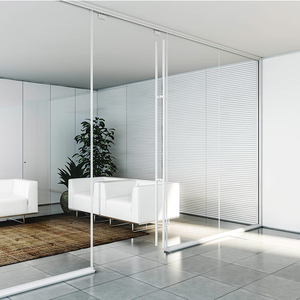 Modular Partition
Costa Rica presents one of the world's most demanding climatic environments for architectural envelopes. From the tropical wet downpours of the Central Valley and Puntarenas to the corrosive, salt-laden marine air along the Gold Coast of Guanacaste (Papagayo, Tamarindo, Las Catalinas), conventional fenestration systems frequently suffer from frame warping, seal degradation, and water ingress.
Aluminium awning windows—hinged at the top and swinging outward from the bottom—represent the optimal architectural fenestration paradigm for Costa Rica's microclimates. Their primary engineering advantage lies in their geometric deflection mechanics: the outward-projecting sash acts as a continuous structural canopy, allowing occupants to maintain 100% natural convective ventilation during torrential tropical downpours without water penetration.
Furthermore, when closed, the perimeter compression gasket system is forced tighter against the structural frame by external wind pressures, achieving an airtight and watertight barrier that sliding window tracks cannot replicate. As an established direct manufacturer and international exporter, our systems are built from structural 6063-T5 and 6063-T6 virgin aluminum billets, precision-machined to resist the rigorous hydrostatic loads mandated by the Código Sísmico de Costa Rica.
Our factory fabricates awning windows to international architectural standards (ASTM, AAMA, and CE), fully aligned with CFIA (Colegio Federado de Ingenieros y de Arquitectos) design specifications for structural safety and thermal integrity.
| Engineering Feature | Standard Residential Series | Architectural Coastal Heavy-Duty | Ultra-Thermal Break Prestige |
|---|---|---|---|
| Extrusion Alloy & Temper | 6063-T5 (1.4mm – 1.6mm wall) | 6063-T6 (2.0mm structural wall) | 6063-T6 Structural Marine Grade (2.2mm – 2.5mm) |
| Thermal Insulation | Non-Thermal Monolithic Section | Optimized Multi-Chamber Core | Polyamide PA66 GF25 Reinforced Thermal Strip (24mm) Maximum Energy Shield |
| Surface Protection | Powder Coating (60-80μm) | Qualicoat Class 2 Marine Powder (80-100μm) | Class I Architectural Anodizing (25μm) or 3-Coat PVDF (Fluorocarbon) |
| Glass Configuration | 6mm / 8mm Monolithic Safety Tempered | 5mm + 9A/12A + 5mm Insulated Double Glazed | 6mm Low-E Solar Control + 12A Argon + 6mm Acoustic Laminated (PVB/SGP) |
| Hardware & Stays | Standard 304 Stainless Steel Hinges | Heavy-Duty SUS304 4-Bar Friction Stays | Marine-Grade SUS316 Heavy Friction Stays + Multi-Point Cam Locks |
| Water Tightness (ASTM E331) | 300 Pa (No Leakage) | 600 Pa (Tropical Torrent Grade) | 900 Pa+ (Extreme Hurricane Simulation Rating) |
| Air Infiltration (ASTM E283) | ≤ 0.30 cfm/ft² | ≤ 0.10 cfm/ft² | ≤ 0.05 cfm/ft² (Hermetic Acoustic Seal) |
| Recommended Costa Rica Application | Inland Residential, San José Urban Apartments | Guanacaste Eco-Lodges, Puntarenas Condominiums | Ultra-Luxury Coastal Estates, Papagayo Mansions, Mountain Cloud Villas |
Tropical salt air oxidizes standard zinc or standard steel fittings within months. Our awning window assemblies exclusively incorporate marine-grade SUS316 four-bar friction hinges and heavy-duty concealed roto-operators designed to hold sash openings secure against 60-knot gust loads.
Sliding windows depend on felt weatherstrips that rapidly retain humidity and degrade under UV exposure. Our awning profiles feature co-extruded cellular EPDM hollow-bulb gaskets that compress uniformly along all four perimeter rebate planes, preventing water penetration even during horizontal tropical squalls.
Combining acoustic PVB interlayers with Low-Emissivity coatings on surface #2 dramatically reduces Solar Heat Gain Coefficients (SHGC ≤ 0.28) while dampening the deafening acoustic roar of heavy tropical rain falling on steel or tile roofs, creating serene indoor sanctuaries.
From sea-level Pacific warmth to high-altitude mountain mist, our awning fenestration systems are tailored to the specific humidity, solar, and seismic dynamics of each Costa Rican province.
High solar radiation, intense sea breeze, and extended dry-season heat. Demands Class I anodized surfaces (25μm) or PVDF fluorocarbon coatings to prevent chalking, paired with high-performance solar-reflective Low-E glazing.
Moderate temperatures with severe afternoon downpours and seismic fault lines. Optimized for high structural deflection ratings (ASTM E330), acoustic double glazing for urban noise dampening, and high-level natural ventilation.
Extreme relative humidity (often >90%) and up to 4,500mm annual precipitation. Requires continuous awning ventilation geometry to prevent mold proliferation indoors while completely rejecting heavy rainfall.
Year-round rainfall without distinct dry seasons, coupled with tropical marine atmosphere. Engineered with multi-chamber interior weep-holes and SUS316 stainless operating mechanisms for rust-proof longevity.
Costa Rica is a recognized global benchmark for ecological conservation and green building standards. The prevailing design language across contemporary luxury residential developments and premier hospitality resorts centers on biophilic integration: dissolving physical boundaries between protected interiors and lush tropical ecosystems.
Architects in Nosara, Santa Teresa, and Escazú are increasingly specifying oversized clerestory awning windows positioned high along wall elevations. This strategy leverages the natural stack effect (thermal siphon): hot, stagnant air naturally rises and exhausts through the tilted awning sashes, creating negative interior pressure that draws cool, fresh air from lower shaded garden openings.
Furthermore, our factory engineers awning window frames capable of seamless automation. Synchronized 24V DC chain actuators tie directly into building management systems (BMS) equipped with rain and wind sensors, automatically swinging closed during severe wind squalls and re-opening to vent humid moisture the moment the storm passes.
Drawing from more than 15 years of precision architectural fabrication, 1,200+ worldwide site deliveries, and certified CNC manufacturing operations, we eliminate intermediaries to deliver factory-direct pricing and guaranteed engineering fidelity.
Every aluminum profile is cut, milled, drilled, and punched using multi-axis computerized CNC equipment. Tolerance deviations are held under ±0.5mm, ensuring absolute squareness, airtight corner joint crimping, and zero on-site frame adjustment headaches.
Windows destined for Costa Rica travel thousands of nautical miles. We protect every unit with peelable protective film, corner impact guards, high-density pearl cotton wrapping, and vacuum-sealed desiccants inside fumigated, ISPM-15 certified steel-reinforced wooden crates.
Our bilingual structural engineers collaborate directly with your Costa Rican architects and general contractors. We review architectural elevation CAD/BIM models, provide wind load structural calculations, and supply full shop drawings before extrusions enter production.
Clear, authoritative technical answers addressing import customs, microclimate hardware specifications, logistics timelines, and structural warranties.
Unlike sliding windows that rely on bottom drainage tracks—which frequently overflow when rainfall rates exceed 80mm/hour—awning windows feature an outward-sloping top-hinged sash that sheds water away from the opening. Dual or triple-perimeter EPDM compression gaskets create a hermetic barrier under positive wind pressure, ensuring zero water penetration during extreme tropical storm conditions.
For installations within 5 kilometers of the Pacific or Caribbean coastlines, we strictly recommend either Class I Architectural Anodizing (film thickness ≥ 20–25 microns) or Qualicoat Class 2 PVDF (fluorocarbon) powder coating. Standard commercial powder finishes (10–15 microns) will experience micro-cracking and salt-spray blistering under Costa Rica's high UV index and saline marine air.
Yes. Every frame is custom-fabricated to the millimeter based on your architectural fenestration schedule. For oversized awning windows (exceeding 1.5m in width or 1.2m in height), we reinforce the sash extrusions with structural internal corner brackets and incorporate dual heavy-duty SUS316 friction stays or motorized dual-point chain operators to ensure effortless actuation and sash rigidity.
We handle Full Container Load (FCL) and Less than Container Load (LCL) shipments directly to Puerto Caldera (Pacific coast) or Puerto Limón (Caribbean coast). All documentation—including Commercial Invoices, Packing Lists with detailed HS Codes, Bills of Lading (B/L), and Fumigation Certificates—is meticulously formatted to ensure rapid clearance through the Dirección General de Aduanas (DGA) of Costa Rica.
While non-thermal break profiles function well in temperate zones like the Central Valley, thermal break systems (employing polyamide PA66 GF25 insulation strips) are strongly recommended for air-conditioned villas in Guanacaste and coastal resorts. The thermal barrier halts radiant exterior solar heat from conducting through the aluminum frame into the interior, dramatically slashing electrical HVAC consumption.
Yes. Our engineering department designs frame anchors and glass pocket rebates to accommodate lateral drift and structural seismic deflections. We utilize structural silicone glazing and EPDM setting blocks that isolate glass panels from frame stresses, preventing spontaneous shattering during tectonic events common to Central American seismic zones 3 and 4.
Absolutely. Because awning windows swing outward, we install high-transparency stainless steel mesh (SUS304) or fiberglass insect screens on the interior frame rebate. For premium residences, we supply integrated roll-up retractable screens or magnetic architectural frames that detach seamlessly for cleaning without obstructing window handles or roto-operators.
We provide a comprehensive 10-year structural warranty on our marine-grade aluminum extrusions and surface coatings, alongside a 5-year warranty on moving hardware (friction stays, multi-point lock mechanisms, and handles). Every shipment includes a complimentary maintenance kit with replacement gaskets, spare hardware sets, and installation fasteners.
Send your architectural blueprints, window schedules, or site specifications. Our technical team delivers structural wind load assessments, thermal performance evaluations, and direct CIF Puerto Caldera/Limón quotes within 24 to 48 hours.