
Custom-engineered tempered glass assemblies built with precision CNC edgework, heavy-duty architectural hardware, and structural thermal performance suited to the South Asian sub-tropical climate.
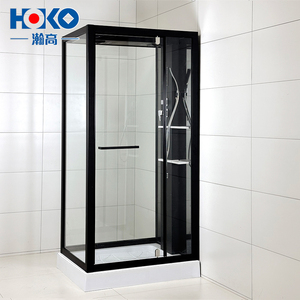
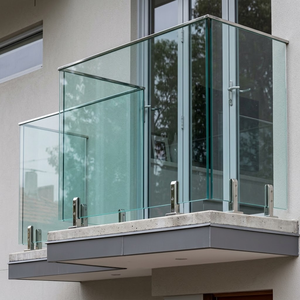
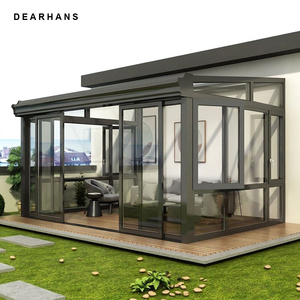
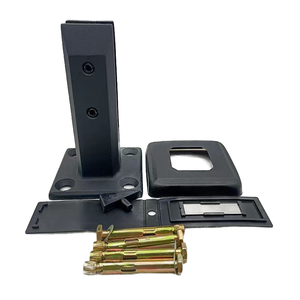
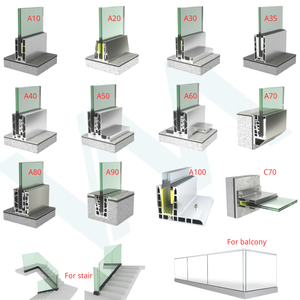
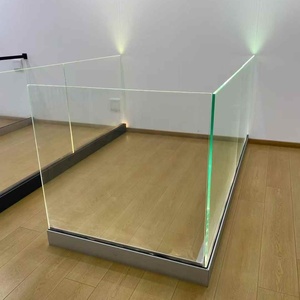
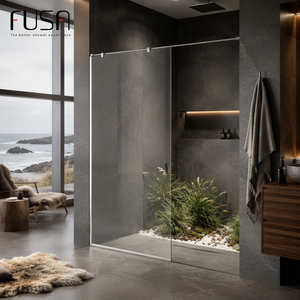
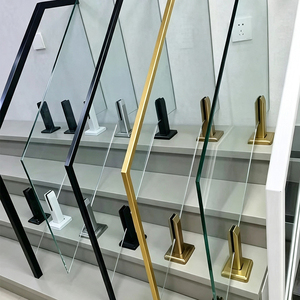
The architectural ecosystem across Bangladesh is currently undergoing an unprecedented structural transition. Propelled by rapid economic growth in metropolitan Dhaka, the port hub of Chittagong, and adjacent export processing zones (EPZs) like Gazipur, Savar, and Narayanganj, modern commercial and luxury residential builds are aggressively discarding opaque, traditional timber and masonry entryways in favor of high-performance toughened glass door systems.
Sourcing from modern toughened glass doors factories in Bangladesh—as well as specialized international manufacturing partners—requires an engineering-level understanding of raw float glass chemistry, automated horizontal quenching technologies, and high-performance structural fittings. Domestic primary glass float production has historically been stabilized by key domestic float manufacturers such as Nasir Float Glass and PHP Float Glass. However, specialized ultra-clear low-iron float glass, triple-silver Low-E substrates, and structural interlayer laminated glass doors continue to lean on strategic international supply chains to fulfill the demanding criteria of LEED Platinum projects and class-A commercial developments.
Modern horizontal oscillating tempering furnaces utilize state-of-the-art forced air convection systems to process soft-coated Low-E glass panels without hot-spot optical distortion or roller wave anomalies.
All hinge notches, corner patch cutouts, and door handle bores must be waterjet-machined and pencil-polished prior to thermal heat soaking to eliminate edge tensile stress raisers.
Factory-controlled HST chambers cycle tempered panels at 290°C ±10°C according to EN 14179-1, systematically forcing premature rupture of panels bearing Nickel Sulfide (α-NiS) inclusions.
Tempering transforms brittle annealed glass into a high-strength structural composite through a precise thermal equilibrium. The glass panel is transferred into a furnace heated to approximately 620°C to 680°C, softening the silicate matrix. Upon exiting the heating chamber, blast nozzles unleash rapid, high-pressure cold air quenches over both glass surfaces.
Because the external surfaces cool and solidify dramatically faster than the fluid central core, intense compressive stresses are frozen onto the glass surfaces (typically between 90 to 140 MPa), while the core retains tensile equilibrium. This stress profile delivers four to five times the bending strength of conventional annealed glass, superior resistance to thermal shocks (differentials up to 200°C), and ensures that catastrophic breakage fractures the pane into dull, dice-sized obtuse granules rather than hazardous, razor-sharp shards.
Deploying toughened glass doors within Bangladesh demands meticulous architectural tailoring to accommodate severe sub-tropical atmospheric agents: intense monsoon cloudbursts, sustained relative humidity averaging 80% to 90%, saline air infiltration in the Bay of Bengal littoral zones, and sharp urban acoustic pollution.
In high-density commercial enclaves such as Gulshan-1, Gulshan-2, Banani, and Kawran Bazar in Dhaka, frameless toughened glass double swing doors serve as prime portals for corporate headquarters, financial institutions, and garment buying houses. These assemblies frequently integrate heavy-duty EN 1154 certified concealed floor springs, SS316 architectural patch locks, and electromagnetic strike plates for access control.
Simultaneously, within the Ready-Made Garment (RMG) factories throughout Gazipur and Ashulia, regulatory fire-exit and compliance frameworks mandate certified tempered safety glass swinging panic doors that ensure unobstructed egress visibility, pressure-resistance under interior personnel crush loads, and rapid breakout safety.

Coastal developments across Chittagong, Agrabad commercial sector, and hospitality properties in Cox's Bazar present heightened vulnerability to airborne chloride salt-spray and cyclonic depression wind loads. In these zones, standard SS304 fittings undergo pitting and crevice corrosion within months. A factory specification for coastal Bangladesh must strictly mandate marine-grade SS316 stainless steel patch fittings, PVDF-coated or 25-micron anodized heavy-gauge aluminum subframes, and EPDM (Ethylene Propylene Diene Monomer) dynamic perimeter weather seals to eliminate horizontal water ingress during tropical monsoons.
The Bangladesh National Building Code (BNBC 2020) strictly outlines performance-based structural parameters for external glass facades, balustrades, and pedestrian entrance doors under Chapter 6 (Structural Design) and Chapter 2 (Occupancy & Egress Safety). Failure to correctly calibrate glass thickness to structural opening dimensions and regional basic wind speeds ($V_b$) frequently results in dangerous door panel flutter, latch binding, or catastrophic impact failure.
| Door System Configuration | Recommended Glass Thickness | BNBC Wind-Load Zone Suitability | Impact Safety Standard | Hardware Profile Grade |
|---|---|---|---|---|
| Internal Frameless Partition Door | 10mm Monolithic Tempered | Internal / Atrium (0.4 kPa) | ANSI Z97.1 Class A / BS 6206 | Aluminum 6063-T5 / SS304 |
| Commercial Double Swing Entrance | 12mm Monolithic Tempered + HST | Dhaka Central / Sylhet (1.2–1.6 kPa) | EN 12150-1 / EN 12600 1(C)1 | SS304/SS316 Architectural Patches |
| High-Rise Balcony Sliding System | 6mm+1.52PVB+6mm Laminated Tempered | Chittagong Coastal / Khulna (1.8–2.4 kPa) | ASTM C1172 / AS 1288 | Heavy-Duty Interlock Track 2.0mm |
| Industrial Fire Escape Exit Door | 12mm Heat-Strengthened Wired/Ceramic | Gazipur / Savar EPZ Industrial | BNBC Chapter 2 Emergency Egress | Panic Crash Bar + Hydraulic Pivots |
| Luxury Solarium / Glass Villa Door | 8mm Tempered + 12A + 8mm Low-E | All Bangladesh Zones (Cyclone-Proof) | ISO 12543 Structural Glazing | Thermal Break Aluminum Alloy |
Under BNBC 2020 guidelines, glass doors exposed to external elevations must withstand basic wind speeds reaching up to 260 km/h (72.2 m/s) in coastal zones like Cox's Bazar and Patuakhali, and 210 km/h in central Dhaka. Designers must ensure that horizontal edge deflection under peak gust load does not exceed $L/175$ of the span, preventing the glass from disengaging from top and bottom guide tracks or fracturing at structural anchoring points.
Relying on decentralized or informal glass merchants frequently leads to severe structural discrepancies: irregular chamfering, unequal hole tolerances causing pivot bind, and inadequate compressive stress due to antiquated tempering lehrs. Our certified fabrication processes eliminate these risks by providing fully integrated, turn-key manufacturing oversight:

Every delivery is backed by detailed metallurgical certificates for aluminum alloys, float glass optical test data, and tempering surface stress test reports.
Direct live video verification, digital shop drawing submittals, and milestone-based progress tracking catered directly to overseas project investors and real estate syndicates.
Fully equipped technical service vehicles handle laser verification, glass installation, structural silicone sealing, and scheduled warranty maintenance.
As Bangladesh moves toward upper-middle-income status, urban infrastructure projects are evolving rapidly. Three macro trends are driving the next generation of architectural glass door procurement across Dhaka, Rajshahi, and Chittagong:
Bangladesh leads the world in LEED-certified green garment factories. Modern facility designs require Low-E double-glazed entrance enclosures that optimize natural visible light transmission (VLT > 60%) while minimizing solar heat gain (SHGC < 0.35).
Commercial high-rises are phasing out purely manual entry. Factory preparations now routinely integrate concealed high-tensile electric strikes, brush-motor overhead automatic sliding operators, and biometric card reader channels directly into aluminum transoms.
For high-traffic public atriums, shopping complexes, and educational campuses, standard PVB is increasingly replaced by SentryGlas (SGP) ionoplast interlayers, which remain rigid and upright even if both tempered glass leaves sustain catastrophic impact fracture.
By specifying factory-calibrated toughened glass assemblies, architects and contractors operating in Bangladesh ensure uncompromising structural safety, BNBC compliance, and decades of effortless mechanical operation.
Connect directly with our senior structural glazing specialists for custom project estimation, BIM/CAD shop drawing reviews, and certified factory quotations across Bangladesh.