Stainless & Glass
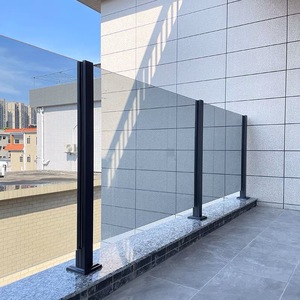

Factory-direct structural aluminum assemblies, safety glazing balustrades, and custom-extruded entrance canopy components manufactured to tight tolerances for Los Angeles commercial and premier residential developments.
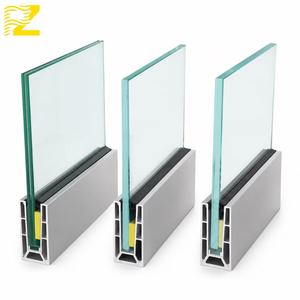
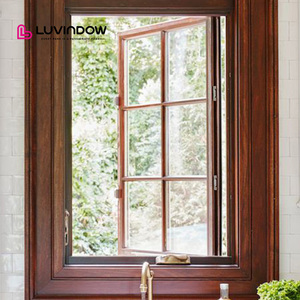
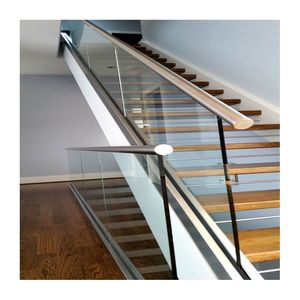
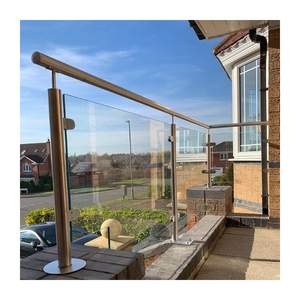
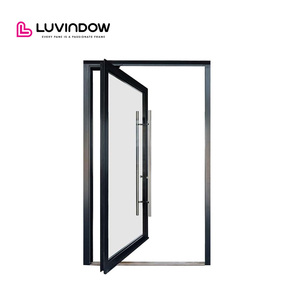
Architectural entrance canopies across Southern California are subject to dual structural demands: they must endure intense seismic acceleration along major strike-slip faults and withstand strong Santa Ana wind gusts while delivering transparent, minimal-sightline aesthetics required by top-tier architectural firms in Los Angeles, Beverly Hills, and Santa Monica.
As a seasoned, high-volume exporter of architectural aluminium framing and precision-glazed systems, our engineering workflow merges aerospace-grade 6063-T6 and 6061-T5 alloy structural extrusions with DuPont SentryGlas® (SGP) laminated safety glass. Unlike standard PVB interlayers that risk creep and delamination under elevated Southern California solar irradiance, ionoplast SGP interlayers maintain rigid shear coupling between glass lites under continuous dead loads and wind uplift.
From cantilevered suspended canopies tethered by 316-grade marine stainless steel tie-rods to post-supported integrated-gutter systems, every assembly is factory CNC-milled, pre-machined, and trial-assembled before export. This eliminates field cutting and welding on Los Angeles jobsites, sharply decreasing local labor hours and guaranteeing rapid permit sign-offs by municipal inspectors.
Standard calculation benchmark configured for export shipments into Los Angeles County jurisdiction:
Every neighborhood across the Los Angeles basin presents unique microclimatic stresses and structural zoning stipulations. Our export canopy systems are configured for exact regional typologies.
Ultra-luxury modernist mansions demand massive frameless cantilever spans over porte-cochères and grand glass pivot entrances. Utilizing concealed structural steel inserts sleeved inside heavy-gauge aluminium outriggers, our systems provide continuous floating transparency without vertical column obstructions.
Coastal marine atmospheres with dense salt fog, airborne chlorides, and direct Pacific dampness rapidly degrade inferior metals. We outfit coastal canopies with AAMA 611 Class I Anodized coatings (minimum 18-micron thickness) or 70% PVDF fluoropolymer paint, secured with 316-grade stainless spider fittings.
High-density urban mixed-use high-rises and commercial corporate towers require overhead safety glazing designed to resist falling debris, thermal shock, and turbulent wind vortexing. Heat-strengthened laminated glass panels with internal drainage manifolds provide continuous public protection.
Subject to extreme desert heat swings exceeding 105°F during summer months, canopies in Pasadena, Glendale, and Burbank require generous thermal expansion joints and high-performance solar control fritting to drop surface thermal gain while protecting pedestrian entrances.
Adaptive reuse creative office conversions demand industrial-chic cantilevered glass canopies that connect indoor collaborative zones with outdoor courtyards. Minimalist slim aluminum profile canopies with integrated concealed low-voltage LED raceways deliver modern corporate elegance.
Cantilevered glass structures installed on hillside properties face aggressive upward wind drafting from canyons. Our structural channel anchorages feature calibrated counter-moment tie connections anchored directly into structural post-tensioned slabs or heavy steel ledger beams.
Regulatory updates, LEED v4.1 sustainability benchmarks, and California Title 24 Energy Efficiency requirements are driving new trends in architectural canopy and glazing design across California.
California developers face aggressive net-zero energy demands under revised municipal codes. There is surging demand for overhead glass canopies integrating semi-transparent monocrystalline solar cells laminated between glass plies, producing on-site renewable power for outdoor amenity zones.
With Los Angeles, Santa Monica, and West Hollywood enforcing bird-friendly building ordinances, canopy glazing must incorporate non-reflective, patterned ceramic frit dots or acid-etched motifs within the 2x4 visual marker rule to prevent avian collisions while tempering harsh solar glare.
Severe California drought cycles have inspired sustainable rainwater management design. Modern canopy profiles now integrate continuous internal slope channels within the aluminium rafter profiles, directing water into concealed building leaders and retention filtration systems.
Compare our precision export specifications against industry standards to understand why our canopy and balustrade assemblies excel under strict US testing criteria.
| System Type | Alloy Grade & Gauge | Glazing Assembly | Permissible Wind Load | Corrosion Protection | LADBS Permitting Readiness |
|---|---|---|---|---|---|
| Structural Cantilever Canopy | 6063-T6 / Heavy Wall 3.2mm–5.0mm | 21.52mm (10+1.52SGP+10) Tempered Laminated | Up to 135 mph (ASD 42 psf) | AAMA 2605 Kynar 500 Fluoropolymer | Full PE Calculation Package |
| Point-Supported Spider Canopy | 316 Marine Stainless & 6061-T6 Beams | 17.52mm (8+1.52PVB+8) Heat-Soaked Glass | Up to 115 mph (ASD 35 psf) | Electropolished 316 + Class I Anodized | Pre-Engineered Anchor Calcs |
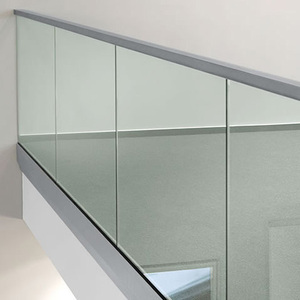
| Frameless U-Channel Railing | Architectural 6063-T5 Base Shoe (12mm Web) | 12mm to 21.52mm Safety Glazing | 50 plf Uniform / 200 lb Concentrated | Anodized Satin / Dark Bronze / Custom RAL | IBC / CBC Table 1607.1 Compliant |
| Overhead Atrium Canopy | Multi-Chamber Thermally Broken Aluminum | 28mm Insulated Laminated Low-E Glass | Up to 140 mph (ASD 48 psf) | AkzoNobel Interpon D3000 Powder Coat | Title 24 Part 6 Certified |
With over 15 years of precision architectural fabrication, 1,200+ global project handovers, and in-house extrusion finishing facilities, we eliminate supply chain bottlenecks for Southern California contractors and developers.
We work exclusively with certified prime aluminum billets (including renowned industrial profiles Pak Alco and Chawla standard specifications), ensuring zero recycled scrap impurities that cause structural weld failure.
Every profile section is cut, drilled, and tapped using 5-axis German CNC equipment with tolerances under ±0.5mm. We generate coordinated BIM models (Revit/IFC) to match your local architectural job files seamlessly.
Glass and structural components are packed inside heavy-duty, moisture-sealed, ISPM-15 compliant fumigated plywood crates with shock-absorbing desiccants, guaranteeing zero sea-freight scratches or transit edge chips.
Full DDP (Delivered Duty Paid) shipping capabilities into the Port of Los Angeles (POLA) and Port of Long Beach (POLB), handling complete US Customs clearance, ISF filings, and bonded flatbed dispatch directly to your jobsite.
Practical answers to technical, regulatory, structural, and shipping questions for architects, structural engineers, and general contractors sourcing canopy systems for Los Angeles installations.
Our structural designs account for non-structural architectural component drift and out-of-plane seismic forces under ASCE 7 Chapter 13. Canopy mounting brackets feature slotted holes and oversized neoprene isolation bushings that allow differential building displacement without placing catastrophic torsional shear stress on the glass lites during a seismic event.
Southern California experiences persistent UV exposure and elevated ambient temperatures. Traditional PVB interlayers become ductile under solar heat gain, which can cause laminated overhead glass panels to sag under their own dead load. SGP ionoplast interlayers are 100 times stiffer and offer 5 times higher tear strength than PVB, remaining fully rigid even in extreme desert and valley heat.
For installations within 5 miles of the Pacific coastline, we mandate either Class I Anodic oxide coatings (AAMA 611, 0.7 mil minimum thickness) or a 3-coat 70% fluoropolymer PVDF finish meeting AAMA 2605 specifications. This ensures long-term resistance to salt corrosion, chalking, and coastal color fade, backed by comprehensive testing data.
Yes. We collaborate closely with US-registered California Professional Engineers (PE) and Structural Engineers (SE). We provide comprehensive finite element analyses (FEA), glass thickness optimization calculations, and connection anchor pull-out data ready for formal plan check submission to the Los Angeles Department of Building and Safety.
Production cycles for custom-extruded, CNC-machined, and tempered laminated canopy assemblies generally run 3 to 4 weeks following final approved shop drawings. Ocean transit from factory port to POLA/POLB takes approximately 16 to 22 sailing days, providing reliable delivery schedules for major construction critical paths.
Aluminum profiles expand at roughly 1/8 inch per 10 linear feet across a 100°F temperature differential. Our modular canopies incorporate hidden internal expansion sleeves and high-elongation structural silicone joints every 20 to 24 feet, preventing profile buckling and protecting perimeter glazing seals during extreme thermal swings.
While glass canopies appear visually horizontal, our structural rafters are engineered with a subtle 1.5° to 2° internal pitch (1/4 inch per foot). Run-off is guided into a concealed perimeter aluminum gutter channel with integrated leaf guards, discharging water discreetly through downspouts recessed within vertical support mullions.
Yes. We offer ceramic digital frit patterns meeting California bird-safe ordinances, along with low-iron ultra-clear glass, solar reflective coatings, acid-etched privacy patterns, and color interlayers (such as Vanceva®). All custom configurations are processed in-house to maintain strict quality control.
Connect with our technical export engineering department for direct manufacturing quotes, custom structural extrusion profiles, and comprehensive CAD/BIM details tailored to your Southern California commercial or luxury residential blueprint.
Send an Inquiry