
Explore our factory-direct extrusion profiles, insulated glass units, and heavy-duty hardware systems engineered for high-rise condos, luxury residential villas, and commercial real estate in Bangkok.
The architectural landscape of Bangkok, Thailand presents one of the most demanding microclimates for building envelope performance in Southeast Asia. Operating under a tropical wet and dry climate (Köppen weather classification Aw), high-rise developments in CBD areas like Sathorn, Silom, and Sukhumvit, alongside sprawling suburban luxury residential estates in Bang Na and Rajpruek, encounter rigorous environmental stressors. These include intense solar radiation (high UV index exceeding 11+ year-round), ambient relative humidity averaging 78-85%, seasonal monsoon cloudbursts with driving horizontal rains, and elevated ambient traffic noise levels exceeding 75 dBA.
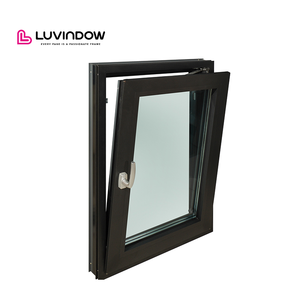
Choosing direct factory partners and trusted suppliers for aluminium casement windows in the Bangkok market requires moving beyond basic aesthetics. It demands rigorous engineering metrics across structural extrusion alloy selection, polyamide thermal break integration, multi-chambered EPDM gasket sealing, and precision-engineered multipoint hardware capable of sustaining structural deflection under typhoon-level wind pressure load cases.
Technical Information Gain: Standard residential window profiles rated at 1.2mm wall thickness frequently fail during Bangkok’s rainy season due to frame twist and poor pressure equalization. Leading B2B procurement standards in Thailand now require minimum 1.8mm to 2.5mm 6063-T6 architectural grade aluminium profiles with double-sealed EPDM perimeter gaskets to prevent water penetration at 700 Pa differential pressure.
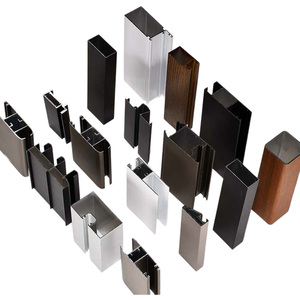
Our direct manufacturing process utilizes certified 6063-T6 grade aluminium billets. The T6 temper treatment (solution heat treated and artificially aged) delivers an ultimate tensile strength of no less than 205 MPa and yield strength of 170 MPa, vastly superior to non-certified recycled profiles common in low-cost local fabrication workshops. This mechanical durability enables slim sightline casement profiles to support large double-glazed Low-E glass units weighing up to 120 kg per sash without hinge sagging or frame warp over time.
| Performance Parameter | Standard Market Profile | Factory Technical Specification (Bangkok Series) | Impact on Bangkok Buildings |
|---|---|---|---|
| Aluminium Alloy & Temper | 6063-T5 / Recycled scrap mix | Primary Billet 6063-T6 / 6061-T6 Grade | 35% higher frame rigidity against high-rise wind deflection |
| Wall Thickness (Casement) | 1.2mm – 1.4mm | 1.8mm – 3.0mm Structural Profile | Prevents frame deformation on openings up to 2.4m height |
| Thermal Barrier Strip | None or PVC Strips | Polyamide PA66-GF25 (25% Glass Fiber) | Blocks heat transfer, cutting interior AC cooling loads by 30% |
| Surface Finish Standard | Standard Electrostatic Powder | Qualicoat Class 2 / AkzoNobel PVDF (25-Yr) | Resists UV chalking, color fading, and tropical humidity corrosion |
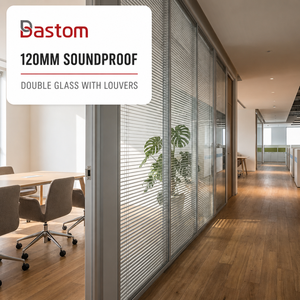
| Acoustic Isolation (STC) | STC 25 – 28 dB (Single Glass) | STC 40 – 45 dB (Acoustic Laminated IGU) | Eliminates BTS Skytrain, highway, and boat traffic noise |
Tropical rainstorms in Bangkok frequently generate instantaneous rainwater accumulation combined with wind pressures of 1.5 kPa to 3.0 kPa. Conventional casement windows fail when water fills the bottom frame track faster than standard weep holes can drain it, causing internal water leakage into living rooms and luxury wall finishes.
Our engineered aluminium casement windows feature an advanced 3-tier multi-chamber pressure equalization system. By decoupling the outer rain barrier from the inner air-tight seal and incorporating concealed stepped drainage channels with anti-backflow gravity valves, water pressure inside the profile chamber equals external wind pressure. This prevents rain from being forced inward, maintaining complete water tightness up to a tested pressure threshold of 700 Pa (equivalent to ASTM E331 test standards).
Tailoring architectural glazing solutions to specific urban layouts, structural typologies, and environmental micro-zones across Greater Bangkok.
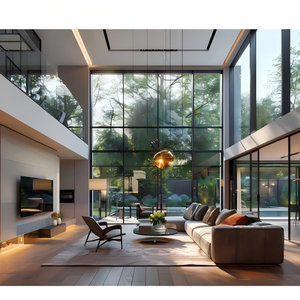
Modern modern luxury estates require floor-to-ceiling casement windows with minimal visible sightlines to maximize indoor-outdoor connectivity with tropical gardens and swimming pools. Our thermal-break casement systems featuring hidden sash frames and concealed friction stays deliver uninterrupted views while maintaining zero water ingress and superior security against forced entry.
High-rise residential towers above 20 stories encounter severe elevated wind velocity pressures and intense solar heat gain. Installing custom heavy-gauge casement windows equipped with multi-point perimeter locks and double-glazed Low-E toughened glass significantly lowers the Solar Heat Gain Coefficient (SHGC < 0.23) while resisting lateral wind loads up to 4.5 kPa.
Commercial fit-outs along Rama 4 and Ratchadapisek require sustainable building envelope parameters that align with LEED and TREES (Thai's Rating of Energy and Environmental Sustainability) standards. Our thermal-break casement windows drastically suppress HVAC energy consumption while providing acoustic isolation against street traffic noise.
The Thailand fenestration market is undergoing a rapid transition toward high-performance, energy-efficient building envelopes driven by changing local building codes, modern architectural preferences, and skyrocketing electricity costs during peak hot months (March – May).
Why leading Thai architects, real estate developers, and general contractors choose our direct factory partnership over local assembly workshops.
We control the complete manufacturing value chain—from raw 6063 alloy extrusion billet casting, custom profile die creation, CNC precision machining, to automated surface treatment lines. This guarantees exact wall thickness compliance (±0.1mm) and zero uncertified material substitutes.
Our dedicated technical sales team assists Bangkok developers, project consultants, and contractors with CAD/BIM shop drawings, structural wind load calculations (KPa ratings), glass deflection stress analysis, and thermal simulation reports before project production.
Every batch of casement windows undergoes rigorous factory testing, including air infiltration (ASTM E283), water resistance (ASTM E331), acoustic isolation (ISO 10140), and hardware cycle testing (over 50,000 continuous opening/closing operations).
Addressing common technical, logistical, and architectural questions from Thai property owners, contractors, and project managers.
Unlike sliding window systems which rely on brush seals that can allow water penetration under wind pressure, casement windows utilize continuous compression EPDM gaskets around the entire perimeter. When closed, multi-point locking hooks pull the sash tightly against the frame. Combined with our stepped pressure-equalized drainage tracks, our casement windows are certified to withstand water tightness up to 700 Pa, preventing leaks during heavy rainstorm downpours in Bangkok.
We strongly recommend Qualicoat Class 2 powder coating or 3-coat Fluorocarbon (PVDF) coatings for all projects in Thailand. Standard powder coatings rapidly degrade under tropical sunlight. PVDF and Qualicoat Class 2 coatings offer superior UV resistance, preventing chalking, cracking, and color fading for 20 to 25 years, even under continuous sun exposure in Greater Bangkok.
Yes, absolutely. We operate a fully equipped CNC machining and fabrication facility. We manufacture custom casement windows tailored to exact site laser measurements provided by your local project engineer or contractor, including arch tops, fixed glass combinations, angled units, and extra-large casements with heavy-duty German friction stays (supporting sash weights up to 120kg).
For optimal performance in Bangkok, we recommend a Double-Glazed Insulated Glass Unit (IGU) consisting of 6mm Toughened Solar Low-E Glass + 12A (Argon Gas Spacer) + 6mm Clear/Acoustic Laminated Glass. This setup achieves a Solar Heat Gain Coefficient (SHGC) below 0.23, dramatically reducing air conditioning power consumption while delivering an acoustic insulation rating of STC 42-45 dB against road and BTS train noise.
All window units, glass panels, and aluminium profiles undergo export-grade protective packaging. Frames are wrapped in protective PE film, corner guards are applied, and units are sealed inside fully enclosed, fumigated ISPM-15 plywood crates with internal foam cushioning. Shipments arrive direct via sea freight at Laem Chabang Port or Bangkok Port (Klong Toey) for direct container delivery straight to your construction site.
Consult with our engineering team today to receive CAD shop drawings, structural wind-load analysis, custom extrusion profile specifications, and direct wholesale pricing for your project in Bangkok.
Inquire Now