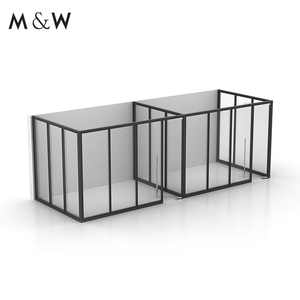

Direct-from-factory structural glazing solutions engineered to withstand Panama's unique coastal salt spray, intense UV exposure, and tropical high-altitude wind load pressures. Preserving maximum sightlines with tested perimeter safety.
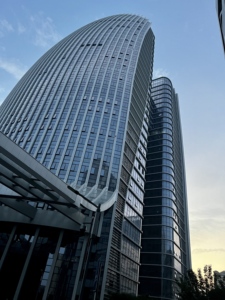
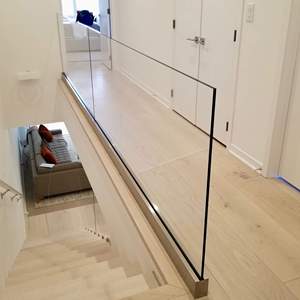
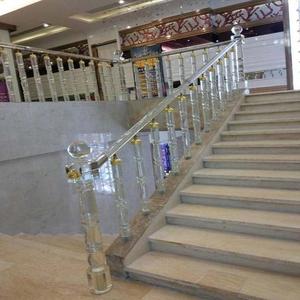
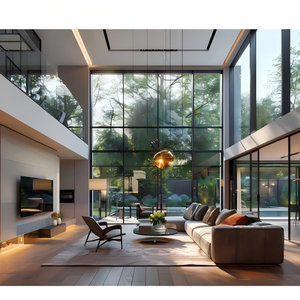
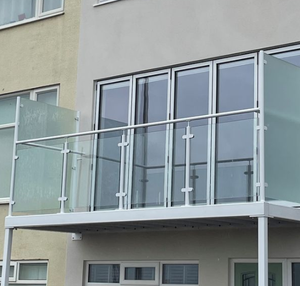
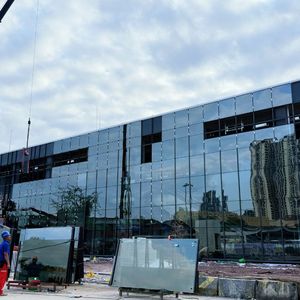
Panama represents one of the most demanding microclimates in Latin America for exterior structural glazing. Between the dense skyscraper corridor along Avenida Balboa, Costa del Este, and Punta Pacifica, architectural systems face severe wind shear generated by the intertropical convergence zone combined with immediate exposure to hyper-saline Pacific marine fog.
Standard unverified U-channel railings degrade rapidly under such atmospheric conditions. Sub-grade aluminum extrusions exhibit premature subsurface galvanic corrosion, while substandard PVB laminates experience micro-edge delamination within 18 months due to ambient relative humidity frequently exceeding 85%.
As a tier-one China manufacturer specializing in architectural railing exports to Central America, our channel glass railing assemblies utilize high-tensile extruded 6063-T6 and 6061-T6 structural aluminum base shoes. We integrate continuous deep anodized surface treatments (20μm–25μm Marine Class I) or certified Qualicoat Seaside electrostatic architectural powder coatings, ensuring lifetime zero-pitting performance even within 50 meters of the breaking surf.


For multi-story residential towers, commercial rooftop terraces, and cantilevered infinity balconies across Panama, our engineering team mandates the use of SGP (ionoplast) structural interlayers instead of standard PVB films.
SGP is up to 100 times stiffer and 5 times stronger than traditional PVB interlayers. In the tropical heat of Panama, conventional PVB can soften under constant solar radiation (high UV index ratings up to 12), significantly compromising post-breakage barrier stability.
From ultra-luxury Pacific beachfront retreats in Buenaventura to skyscraper towers on the Bahía de Panamá, our base shoe channel balustrades are designed for straightforward mechanical installation and uncompromised structural integrity.
Tailored for coastal high-rises in Punta Pacífica, Costa del Este, and Ocean Reef Islands. Concealed or top-mounted aluminum base shoes engineered for 3.0–4.2 kPa wind load parameters, offering unobstructed ocean and city skyline vistas with zero vertical post obstruction.
Installed across beachfront compounds in Buenaventura, Coronado, Contadora, and Bocas del Toro. Featuring high-grade Marine Anodized aluminum U-channels with specialized EPDM dry-glaze isolation gaskets that resist continuous marine spray and tropical UV exposure.
Specified for high-traffic public commercial atriums, boutique shopping centers, and banking headquarters in Obarrio and San Francisco. Engineered to withstand rigorous 1.5 kN/m public crowd loading conditions, backed by independent test reports.
Applied in boutique hotel rooftop lounges throughout Casco Viejo and luxury beach resorts in Playa Bonita. Includes continuous internal drainage weep channels to evacuate heavy tropical deluge runoff quickly without pooling or sediment accumulation.
Direct engineering data comparing standard commercial channels against our export-grade structural base shoe systems designed for tropical Latin American developments.
| Engineering Parameter | Standard Commodity Export | Our Heavy-Duty Panama Class Base Shoe | Panama Building Standard / International Code |
|---|---|---|---|
| Aluminum Alloy & Temper | Recycled / Mixed 6063-T5 | 100% Virgin Extruded 6063-T6 or 6061-T6 Alloy | ASTM B221 Architectural Structural Extrusions |
| Wall Thickness (Base Profile) | 3.5 mm – 5.0 mm | 8.0 mm – 14.0 mm Heavy-Duty Structural Web | IBC Section 1607.8 (Live loads & Guardrail) |
| Corrosion Protection Finish | 10μm Standard Mill/Anodize | 20–25μm Deep Architectural Hard Anodizing or Qualicoat Marine Powder | ISO 9227 C5-M Severe Coastal Saline Exposure |
| Glass Configuration Options | 12mm Monolithic Tempered | 17.52mm / 21.52mm Tempered Laminated with SGP Ionoplast / Structural PVB | ASTM C1048 / ANSI Z97.1 Impact Standards |
| Glazing Fixation Mechanism | Wet Glaze (Pourable Expansive Grout) | Patented Dry-Glaze Wedge Alignment Kit (Adjustable ±15mm alignment) | Rapid onsite installation; zero chemical curing required |
| Tropical Drainage Integration | None or Basic Drilled Holes | Continuous Precision CNC Weep Slots & EPDM Drainage Gutters | High-rate evacuation for tropical rainstorm precipitation |
| Linear Uniform Horizontal Load | 0.74 kN/m (Residential light) | Up to 3.0 kN/m – 4.0 kN/m (Commercial & High-Rise Coastal) | ASTM E2358 Level 4 & Panama Structural Building Codes |
Analysis of current architectural designs, developer preferences, and construction methodologies shaping Panama's skyline and high-end residential landscape.
Leading architectural studios in Panama City are shifting toward entirely recessed U-channel base shoes. By pouring the concrete screed flush with the channel top edge and installing continuous floor tiling over side cladding, the glass panels emerge directly from the finished floor level, maximizing expansive floor-to-ceiling glass aesthetics.
Luxury coastal residential projects in Coronado and Punta Barco increasingly specify our base shoe channels with integrated secondary low-voltage LED raceways. Diffused optical gaskets distribute horizontal illumination upwards through the bottom polished edge of ultra-clear low-iron glass, transforming perimeter railings into ambient architectural light art at dusk.
With construction labor rates rising in Panama City and Colon, developers are phasing out labor-heavy wet-glaze mortar and silicone grouting. Our modular internal nylon/aluminum wedge adjustment kits enable two-man crews to align and lock glass panels within minutes from the interior balcony deck, cutting installation labor costs by up to 60%.
Unlike trading middlemen, our direct manufacturing infrastructure provides complete oversight from raw ingot extrusion through CNC channel milling, multi-axis drilling, automated tempering, and cleanroom glass lamination.
Building upon over 15 years of technical fabrication experience and more than 1,200 completed international projects, we supply developers, general contractors, and facade specialists with reliable, high-spec systems that install cleanly and pass site inspections without delay.
Every shipment headed to the ports of Balboa, Cristóbal, or Manzanillo International Terminal is accompanied by certified mill test reports, comprehensive 3D shop drawings, structural calculation packets, and precision-cut profiles tailored to your structural slab details.

Strict adherence to structural grade virgin aluminum alloys (6063-T6 & 6061-T6) combined with Grade-A automotive float glass. Zero inclusion of recycled scrap metal ensures uncompromised tensile load performance under sudden seismic or wind shear stresses.
Zero size constraints across all railing base configurations. Every profile, corner return, and drainage notch is cut via high-precision CNC machinery down to ±0.5mm tolerances, matching architectural CAD/BIM opening schedules precisely.
Engineered for long-distance trans-Pacific maritime transit. High-rigidity steel A-frames, anti-scratch protective interleaf films, vacuum-sealed desiccants, and heavy-duty fumigated wooden crates prevent micro-abrasions, saltwater moisture tarnishing, and edge chipping.
Direct answers to technical, logistics, customs, and compliance questions common among commercial contractors, developers, and facade fabricators across Panama.
We regularly ship Full Container Loads (FCL 20GP/40HQ) directly from Shenzhen, Ningbo, or Shanghai ports directly to Puerto de Balboa (Pacific side) or Manzanillo International Terminal / Colón Free Zone (Atlantic side). Ocean transit typically averages 24 to 32 days, providing predictable delivery schedules for developer milestones.
Our technical engineering department provides comprehensive finite element analysis (FEA) and structural calculation packages based on building elevation, local terrain category, and site-specific wind pressures (frequently exceeding 3.0 kPa in Punta Pacífica and Avenida Balboa). We verify glass thickness (17.52mm vs 21.52mm SGP) and base anchor shear pull-out requirements in advance.
Yes. We engineer specialized subfloor recessed U-channel extrusions equipped with side-exit drainage ports and continuous EPDM drainage tubes. This enables tropical rain to run off cleanly from the glass surface, gather in the channel base, and discharge outside the building envelope without saturating interior slab waterproofing membranes.
We supply a complete export documentation suite, including Commercial Invoice, Packing List with detailed net/gross weights and itemized bundle counts, Ocean Bill of Lading, Certificate of Origin (Form), and Factory Mill Test Certificates. All aluminum and glass products are classified under correct international HS Codes (HS 7610.90 for aluminum railing structures, HS 7007.29 for laminated tempered architectural safety glass).
Absolutely. Our factory utilizes multi-axis CNC cutting centers to pre-miter 90-degree inside/outside corners, continuous angled stairs, and radius curved base channels according to project CAD shop drawings. Corner alignment splines and joining plates ensure continuous structural handrail alignment across all panel transitions.
Dry-glaze mechanical wedge systems eliminate wet-cement mixing, curing times, and messy job sites. Individual glass panels can be leveled, aligned ±15mm plumb, and securely locked in under 5 minutes per panel using standard hand tools. Furthermore, if a glass lite ever needs replacement during building operation, it can be unlocked mechanically without damaging the embedded base channel.
Send us your architectural elevations, CAD drawings, or project tender specifications. Our engineering team will return a complete B2B quotation, structural analysis breakdown, and profile extrusion recommendation for your project in Panama within 24 hours.