An in-depth technical analysis of acoustic glazed partitions, standard compliance (SIA 181), and certified industrial manufacturing across Swiss commercial hubs.
Precision-tested systems available for rapid specification and Swiss commercial delivery.
A rigorous review of industrial manufacturing capacity, decibel (Rw) ratings, seismic/structural stability, and architectural flexibility across the Swiss confederation.
Distinguished for high-spec demountable partition systems meeting strict SIA 181 standards. Known for seamless dry-joint glazing and integrated absorption profiles tailored for Zurich financial office footprints.
A premier specialist in modular acoustic partitions. Strähle offers dual-glazed systems engineered with structural silicone joints and internal sound baffling, ubiquitous in Swiss public sector infrastructures.
Based natively in Switzerland, Vetroconsult excels in bespoke architectural glass, structural floor-to-ceiling soundproofing walls, and micro-profile designs optimized for boutique corporate headquarters in Geneva.
A global leader headquartered in Rümlang, dormakaba provides acoustic movable walls (Variflex series) integrating precision telescopic sealing mechanisms for flexible Swiss conference spaces.
The definitive Swiss glass processor. Glas Trösch supplies proprietary SILVERSTAR sound-insulating laminated glass assemblies, functioning both as an OEM glass provider and turn-key structural engineering partner.
Fusing contemporary ergonomics with acoustic compliance, Bene's RG glass wall systems deliver clean lines, minimal floor profiles, and high sound decoupling ideal for agile spaces in Basel’s pharmaceutical hub.
Engineered for high load resistance and modular adaptability, Goldbach Kirchner supplies structural framing systems with acoustic decoupling gaskets certified under European EN ISO 10140 standards.
Feco systems feature patented acoustic wall-junction details. Their double-glazed flush acoustic glass walls (fecofix) offer expansive transparency while isolating low-frequency speech patterns effectively.
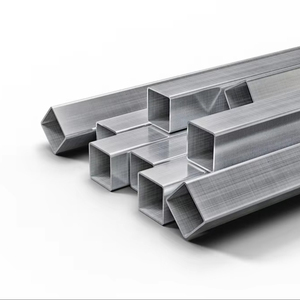
Supplying precision aluminum extrusion profiles (6063-T6) combined with customized acoustic PVB laminated panels. Direct factory integration delivers rapid prototyping, custom sizing, and tier-1 acoustic performance.
Operating extensively throughout Romandy and German Switzerland, Rosconi delivers intelligent sliding glass walls and partition dividers focused on space rationalization without compromising ambient sound absorption.
Comparing glazing compositions, acoustic interlayers, and Swiss SIA 181 target performance metrics.
| Glazing Architecture | Total Thickness | Rw (Sound Reduction Index) | Primary Application in Switzerland | SIA 181 Suitability |
|---|---|---|---|---|
| Single Laminated (Acoustic PVB) | 10.76 mm (55.2) | 36 - 38 dB | Standard executive offices, breakout zones | Normal Requirement (Standard) |
| Single Toughened Acoustic PVB | 12.76 mm (66.2) | 39 - 41 dB | Boardrooms, HR interview suites, consulting | Comfort Requirement (Moderate) |
| Double Glazed Monobloc (6mm + Cavity + 6mm) | 60 - 80 mm profile | 44 - 47 dB | Private banking desks, medical examination | Enhanced Privacy (High) |
| Dual Acoustic Laminated (10.76mm + Air + 12.76mm) | 100 mm system | 48 - 54 dB | Teleconference suites, legal arbitration rooms | Maximum Acoustic Confidentiality |
In Switzerland, internal building acoustics are governed strictly by the SIA 181 standard ("Protection against noise in building construction"). Unlike loose pan-European benchmarks, SIA 181 measures in-situ sound transmission rather than theoretical laboratory metrics.
Architects and project specifiers in Zurich, Basel, and Geneva must factor in flanking transmission paths. Noise bypassing partitions via raised access floors, suspended mineral ceiling tiles, or mullion-wall junctions can lower an Rw 50 dB glass wall down to an in-situ performance below 38 dB.
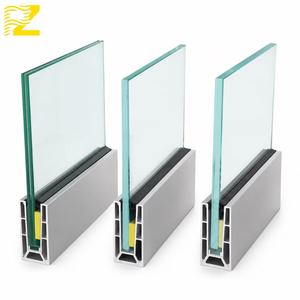
To eliminate these flanking weak links, high-tier installations integrate decoupled EPDM floor tracks, heavy acoustic barriers inside plenum spaces, and precision silicone-free dry jointing with polymer elastomer profiles.

How the interplay between sustainability, agile workspaces, and strict cantonal energy codes shapes partition sourcing.
Swiss commercial projects managed by institutions like Swiss Prime Site or PSP Swiss Property prioritize demountable framing systems. Partitions must allow 100% disassembly without structural damage to floor or ceiling slabs.
Visible framing faces are shrinking from traditional 50mm widths to sleek 25mm aluminum profiles. Finished in industrial powder coatings (RAL 9005 matte black or anodized dark bronze), matching modern Swiss concrete architecture.
Standard architectural interlayers are systematically replaced by advanced acoustic poly-vinyl-butyral (aPVB). These cores dampen sound waves in the critical coincidence frequency range (1,000 to 3,000 Hz), neutralizing human vocal frequencies.

With an extensive manufacturing backbone spanning certified aluminum extrusion (6061 and 6063 alloys) and clean-room glass lamination, our facilities eliminate third-party supply chain friction for international and Swiss specifiers.
Direct technical answers addressing acoustic ratings, customs/logistics, and installation precision.
Whether you require custom 6063 aluminum profile extrusions, soundproof laminated panels, or a complete modular partition specification for the Swiss market, our engineering desk is available to assist.
Send an Inquiry