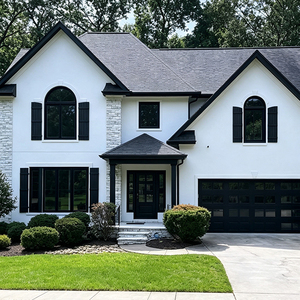
Typhoon & Impact Rated

Manufactured under stringent European DIN EN standards with polyamide PA66 thermal barriers, German multi-point gearboxes, and tropicalized cyclone ratings suited for Hanoi’s microclimate.
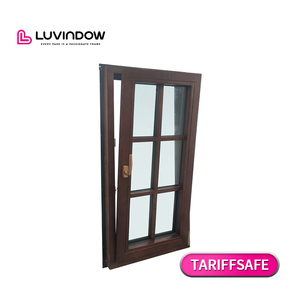
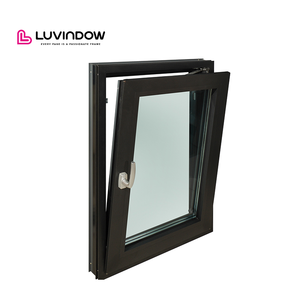
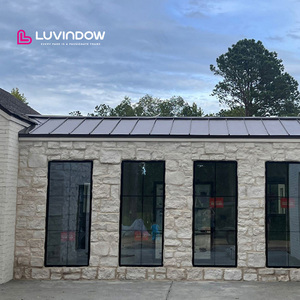
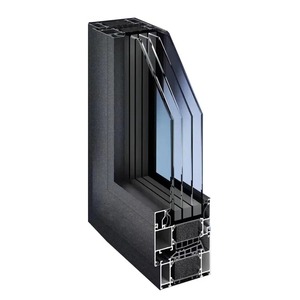
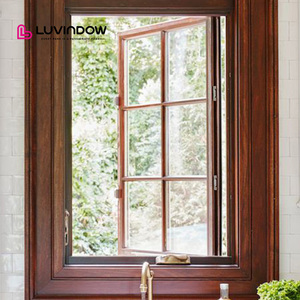
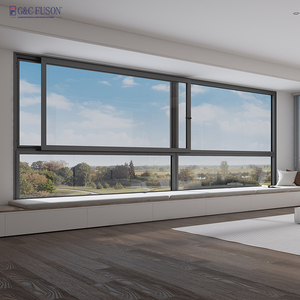
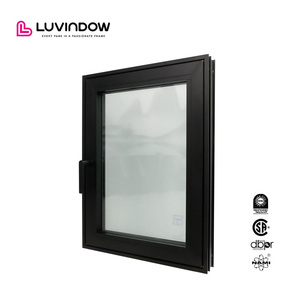
Class C5 rated under EN 12210; designed for coastal typhoons and high-rise shear.
Rw + Ctr rating mitigating low-frequency Hanoi motorcycle traffic noise.
Dual continuous EPDM seals to prevent humid "Nồm" moisture ingress.
Imported PA66 GF25 polymide barriers compliant with Vietnam QCVN 09:2017/BXD.
Specifying fenestration systems for Hanoi requires solving a unique structural and thermodynamic equation rarely encountered in uniform temperate regions. Northern Vietnam oscillates across an aggressive spectrum: scorching summer solar irradiance exceeding 38°C with relative humidity spiking above 90%, sudden tropical monsoons characterized by heavy localized downpours and horizontal wind pressure, followed by the notorious spring phenomenon known locally as "Trời Nồm" (extreme interstitial moisture condensation), and bone-chilling, damp winters dropping below 10°C.
Between February and April, Hanoi experiences sustained atmospheric saturation where the ambient air temperature rises faster than structural building thermal mass. Standard aluminum sliding windows—predominantly installed in legacy residential developments across Cầu Giấy, Đống Đa, and Ba Đình—suffer fatal condensation across their perimeter tracks and uninsulated aluminum sashes. This moisture leads to chronic interior peeling, wall mildew, and electrical damage.
Our engineered export-grade tilt and turn windows neutralize the "Nồm" dynamic through a multi-chambered 6063-T6 thermal break extrusion system integrated with 24mm to 34mm PA66 GF25 (polyamide fiberglass reinforced) barrier strips. By physically separating the exterior aluminum skin from interior structural sashes, the interior profile surface temperature remains above the critical dew point. Furthermore, continuous vulcanized EPDM gaskets provide active three-tiered perimeter compression when locked, totally isolating the indoor climate from ambient vapor pressures.
Urban density in central Hanoi, particularly along corridors like Ring Road 3 (Đường Vành đai 3), Nguyễn Trãi, and Hoàng Hoa Thám, generates chronic environmental noise pollution ranging from 75 dB to 85 dB dominated by 100 Hz to 500 Hz low-frequency engine rumbles and high-frequency vehicular horn harmonics. Conventional sliding window sashes leave acoustic bypass gaps between rail brush seals, degrading actual on-site sound isolation to under Rw 22 dB.
Our tilt-turn factory export configurations leverage asymmetrical, gas-filled double and triple Insulated Glass Units (IGU): typically 6mm Solar Control Tempered + 16A (Argon 90%) + 4mm Clear Float + 0.76mm Acoustic PVB + 4mm Interior Tempered. Combined with active perimeter compression locking cams (acting at 6 to 8 perimeter anchoring points per sash), our installations achieve lab-certified sound transmission reductions of Rw + Ctr ≥ 42 dB to 45 dB, transforming bustling residential units into peaceful havens.
Precision-matched hardware, glass configurations, and structural alloys designed to elevate historical restorations, luxury lakefront villas, and modern residential high-rises.
Large-format picture windows combined with inward-tilting micro-ventilation panels allow continuous lake-breeze air exchange without exposing lavish interiors to unexpected monsoon squalls. Thermally broken frames prevent interior HVAC loss against intense summer UV reflecting off West Lake.
High-altitude wind shear demands unmatched structural load resistance. Rated to 4,500 Pa positive/negative pressures, our multi-point perimeter steel hardware secures heavy double/triple glazed sashes firmly against gale-force gusts during the tropical storm season (May–October).
Combining traditional interior French-colonial hardwood aesthetics with industrial-grade exterior aluminum cladding. Preserves strict municipal facade visual regulations while upgrading boutique hotels to contemporary acoustic isolation standards and fire-safety ratings.
All fenestration systems fabricated for our Hanoi export contracts are manufactured and verified under internationally validated testing protocols (EN, ASTM, CSA, and Vietnam QCVN 09:2017/BXD):
| Performance Parameter | Test Standard | Factory Export Rating | Hanoi Engineering Significance |
|---|---|---|---|
| Thermal Transmittance (Uw) | EN ISO 10077-1 / 2 | 0.8 – 1.4 W/m²·K | Complies with QCVN 09:2017/BXD; slashes summer residential air conditioning load by up to 38%. |
| Air Permeability | EN 12207 / ASTM E283 | Class 4 (≤ 0.02 cfm/ft²) | Zero unsealed airflow tracks; blocks particulate matter (PM2.5) and prevents "Trời Nồm" damp air infiltration. |
| Water Tightness | EN 12208 / ASTM E331 | Class 9A / E1200 (≥ 1200 Pa) | Absolute hydrostatic seal against severe tropical downpours driving into windward facades. |
| Acoustic Isolation (Rw) | ISO 717-1 / ASTM E90 | Rw 40 – 46 dB (STC 44) | Filters dense traffic noise, motorcycle exhausts, and urban construction hum below 35 dBA indoors. |
| Structural Wind Load | EN 12210 / ASTM E330 | Class C5 (≥ 4500 Pa) | Withstands typhoon gusting on high-rise residential towers over 30 stories without sash deflection. |
| Hardware Cycle Durability | EN 13126-8 | 25,000+ Cycles (Grade 4) | Guarantees 20+ years of daily tilt-and-turn dual-axis operation without hinge drop or gasket misalignment. |
Analysis of evolving building codes, green certification systems (LOTUS, EDGE), and consumer preferences across Hanoi, Hai Phong, and surrounding provinces.
Architects across Hanoi are rapidly phasing out standard sliding windows. The demand for secure, rain-protected night ventilation (via the 15-degree top-tilt mode) has made tilt-turn systems the premier choice for gated master-planned communities like Vinhomes Riverside and Ecopark.
Vietnam's Ministry of Construction (BXD) is strictly auditing Solar Heat Gain Coefficients (SHGC) and U-factors for mixed-use developments. Export thermal-break windows featuring soft-coat Low-E argon assemblies allow builders to seamlessly achieve LOTUS Gold and EDGE Zero Carbon certifications.
Airborne humidity mixed with urban particulate in Hanoi accelerates profile oxidation. Specifiers now strictly demand Qualicoat Class 2 fluorocarbon (PVDF) powder coatings or 20-micron hard-anodized finishes capable of enduring 3,000+ hours of ASTM B117 salt spray testing.
Direct-from-factory production, automated CNC tolerances, and dedicated supply chain logistics servicing the Hanoi metropolitan corridor via Hai Phong Port.
Zero reliance on third-party corner processing. German-engineered 5-axis CNC machining centers guarantee sash-to-frame perimeter tolerances within ±0.5mm, ensuring airtight gasket alignment.
Fabricated exclusively from certified 6063-T6 architectural alloy profiles and genuine German hardware platforms (Siegenia / Roto / Hoppe) tested to 25,000 trouble-free cycles.
Established maritime shipping direct to Hai Phong Deepwater Port (Cảng Hải Phòng), with expedited customs clearance and 24-hour overland trucking to project sites across Hanoi.
Comprehensive warranty covering profile dimensional integrity, thermal barrier delamination, glass seal clarity (against internal condensation), and hardware anti-corrosion performance.
Practical guidance addressing import duties, Form E preferential tariffs, installation logistics, and technical specifications for projects in Northern Vietnam.
Under the ASEAN-China Free Trade Area (ACFTA), fenestration systems imported into Vietnam qualify for preferential tariff rates (often 0% to 5% instead of standard MFN tariffs of 15%-25%) when accompanied by a compliant Certificate of Origin (Form E). Our factory export documentation team regularly processes valid Form E documentation, complete bill of ladings (B/L), and packing manifests to ensure seamless customs clearance through Hai Phong Customs.
The tilt mode opens the window inward by approximately 10 to 15 degrees from the top pivot points, shielded by the frame rebate. This configuration allows continuous atmospheric ventilation while the steep angle of the sash overhang actively deflects falling monsoonal raindrops. Integrated weep channels within the outer frame route any wind-driven moisture through concealed exterior drainage ports, preventing water intrusion even when rooms are unoccupied.
While often associated with cold European winters, thermal breaks are equally critical in hot, humid tropical climates. Unbroken aluminum transfers scorching exterior heat directly into air-conditioned interior living spaces, triggering non-stop HVAC compressor cycling. During spring ("Trời Nồm"), unbroken aluminum becomes freezing cold compared to moist ambient room air, causing severe condensation. PA66 GF25 thermal breaks create the thermal barrier necessary to prevent both heat influx and perimeter moisture condensation.
Yes. Every unit is custom-fabricated according to structural shop drawings and BIM schedules. There are no rigid modular constraints. We regularly fabricate structural floor-to-ceiling tilt-turn combinations up to 2,800mm in sash height, integrating structural static coupling mullions designed to withstand typhoon wind pressures in open lakefront or high-rise penthouse environments.
Hanoi experiences periods of high atmospheric particulate and chemical smog. We strongly specify fluorocarbon PVDF (polyvinylidene fluoride) coatings compliant with AAMA 2605 or high-durability Qualicoat Class 2 architectural powder coats. These coatings resist acid rain, UV degradation, chalking, and gloss loss for 20+ years, requiring only straightforward cleaning with neutral detergents.
All IGUs for Northern Vietnam are assembled with fully tempered safety glass (meeting EN 12150 and ANSI Z97.1 standards) which possesses five times the mechanical flexural strength of annealed glass. Glass edges are machine-arrissed and polished to eliminate micro-fractures prior to tempering, entirely mitigating spontaneous thermal shock breakage caused by solar absorption differences across partially shaded facades.
Following CAD drawing approval and glass specification confirmation, factory fabrication typically takes 25 to 35 business days depending on volume. Sea freight transit from major manufacturing hub ports to Hai Phong Port takes approximately 3 to 7 days. Overland customs clearance and flatbed delivery to construction sites in Hanoi require another 24 to 48 hours, providing a reliable 5 to 7-week end-to-end procurement cycle.
Yes. Our engineering department supplies complete fabrication shop drawings, structural anchorage calculations (including embedment depth, expansion bolt sizing, and wind load reaction moments), and perimeter waterproofing flashing details. For large residential or hotel projects, we provide step-by-step video installation protocols and on-site engineering supervision to train local Vietnamese subcontractors.
Whether you are designing a private villa in Starlake Tây Hồ Tây, developing a boutique hotel in the French Quarter, or specifying a high-performance facade for a commercial tower, our engineering desk is ready to provide structural calculations, CAD sections, and competitive factory-direct quotations.
Send an Inquiry