
Factory-direct precision manufacturing compliant with ASTM E2358 and BS 6180:2011 structural load requirements. Available in custom dimensions with dry-glazed extrusion shoes, Duplex 2205 spigots, and marine-grade finishes.
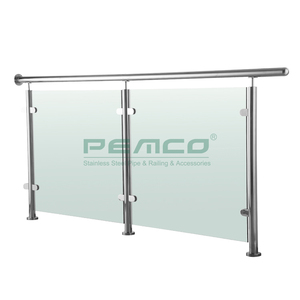
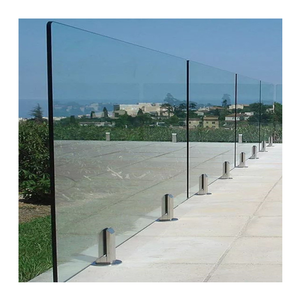
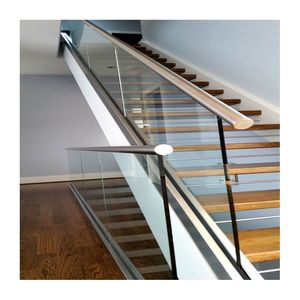
The rapid vertical expansion of Ho Chi Minh City—spanning from the Grade-A commercial corridors of District 1 and the high-density riverbanks of Bình Thạnh to the ultra-modern residential developments in Thủ Thiêm (Thủ Đức City)—presents singular structural engineering challenges. Rooftop balustrades and terrace glass railings are no longer merely aesthetic decorative partitions; they serve as critical primary fall-prevention barriers that operate under harsh aerodynamic stresses.
During the Southern Vietnamese monsoon transition (May to November), sudden convective thunderstorms and localized wind sheer generated over the Saigon River basin produce horizontal velocity pressures exceeding 1.8 to 2.4 kN/m² at elevations above 45 meters. Under the national construction standard QCVN 05:2008/BXD (Vietnam National Technical Regulation on Safety of Life and Workplaces), rooftop railings must withstand intense static horizontal line loads while strictly eliminating climbable elements or toe-holds.
Our direct manufacturing facility fabricates heavy-gauge 6063-T6 architectural aluminum alloy U-channels and Duplex 2205 surgical-grade stainless steel clamp systems. Every production batch undergoes Finite Element Method (FEM) deflection testing to verify that post-breakage glass containment remains structurally intact even if one structural panel suffers catastrophic blunt impact.

| System Classification | Glass Composition Spec | Base Profile & Hard Alloy | Monsoon Wind Load Capacity | Target Urban Deployment |
|---|---|---|---|---|
| Heavy Continuous Shoe (Dry-Glazed) | 17.52mm (8+1.52SGP+8) or 21.52mm Toughened Low-Iron | Architectural 6063-T6 Aluminum with 25μm Anodized or PVDF AkzoNobel | Up to 3.5 kN/m² (Tested) | District 1 Skybars, Thủ Thiêm Residential Towers, Rooftop Infinity Decks |
| Duplex 2205 Spigot Clamping System | 12mm or 15mm Monolithic Heat-Soaked Tempered (HST) | Cast Duplex 2205 Stainless (High Molybdenum & Chromium alloy) | Up to 2.1 kN/m² | Thảo Điền Riverfront Luxury Villas, An Phú Boutique Compounds |
| Concealed Fascia-Mount Parapet | 21.52mm (10+1.52SGP+10) Double Laminated Safety Glass | Heavy-Duty Extruded Alloy with Integrated Drainage Weep Channels | Up to 3.8 kN/m² (Typhoon Spec) | Commercial Grade-A Towers, Hotel Rooftop Lounges, Coastal/River High-Rises |
| Standard Commercial Post Balustrade | 10mm or 12mm Standard Tempered (Standard PVB Interlayer) | AISI 304 Stainless Steel with Standard Mill Finish | Unsafe for Roofs >20m | Interior Partitions & Low-Elevation Balconies Only (Not Rated for HCMC Roofs) |
Every district in Ho Chi Minh City displays unique environmental parameters, from the riverfront humidity in District 2 to the acute wind tunnels produced by high-density urban clusters in District 1.
Rooftop lounges and rooftop restaurant terraces operating above the 25th floor demand maximum transparency for panoramic skyline views without sacrificing human impact security.
Situated near the tidal curves of the Saigon River, these residential terraces experience continuous salt-fog, micro-mist, and airborne sulfate pollution from urban river transit.
Residential towers situated in high-velocity wind catchers require complete conformance to mandatory QCVN 05:2008/BXD non-climbable vertical safety mandates.
Adaptive reuse projects in Districts 3 and Phú Nhuận require lightweight yet rigid barrier systems that impose minimal deadweight loads on existing heritage roof decks.
The procurement preferences of Vietnamese property developers, general contractors, and façade consultants are transitioning from traditional stainless steel post railings to fully frameless monolithic glass balustrades.
In Ho Chi Minh City’s tropical equatorial solar radiation environment, traditional PVB interlayers soften and lose shear stiffness at glass surface temperatures above 40°C. Developers now specify SentryGlas® (SGP), which retains 100 times the post-breakage rigidity of standard PVB, maintaining structural standing even if damaged by flying debris during severe tropical depressions.
Rapid urban timelines in Saigon have rendered messy wet grouting obsolete. Contractors overwhelmingly favor dry-glazed aluminum base shoes equipped with composite tension wedge inserts. This technology allows single-side glass adjustment, eliminates curing downtime during rainy months, and enables swift individual panel replacement if service is required.
The torrential nature of Saigon's monsoon downpours quickly floods rooftop parapets. Modern balustrade specifications mandate continuous 15mm offset drainage pads beneath base shoes to evacuate water freely to roof scuppers. Furthermore, architectural profiles undergo Class 1 (25μm) anodic oxidation to eliminate galvanic corrosion caused by standing rainwater.
Drawing on over 15 years of precision architectural metal and glass fabrication across more than 1,200 structural sites, we deliver end-to-end accountable engineering from laser measurement to final site testing.
Our workshop handles precision CNC cutting, slotting, and tempering in-house. We do not subcontract critical fabrication, maintaining strict micrometer tolerances across every glass shoe and panel edge.
From complex Spanish-style private villas and boutique commercial venues to multi-story commercial high-rises, our architectural installations have withstood extreme operational and climatic environments.
Our engineering site survey teams utilize advanced laser measurement systems to survey parabolic curbs, non-linear parapets, and deck elevations, eliminating edge-gap errors before fabrication commences.
We work exclusively with certified structural billet aluminum (6063-T6 and 6061-T6) alongside premium mill partners. Every profile section delivers proven metallurgical ductility and ultimate tensile strength.
We provide full structural calculation submittals, Finite Element Method wind stress analysis, and factory impact test reports formatted directly for Vietnamese construction authorities (Sở Xây dựng TP.HCM).
Our commitment extends far beyond delivery: we provide gasket alignment checks, tightening inspections, chemical glass cleaning guidelines, and rapid replacement components to ensure uninterrupted security.
In-depth technical answers addressing wind dynamics, municipal compliance, material durability, and logistics for roof glass balustrades in Ho Chi Minh City.
Under Vietnamese national standard QCVN 05:2008/BXD, all exterior railings and parapets on buildings of 9 stories or higher must feature a minimum vertical height of 1.40 meters (1400mm) measured from the finished floor surface. The standard strictly prohibits climbable horizontal crossbars or toe-holds below 1.0 meter. Frameless glass balustrades with continuous vertical surfaces inherently fulfill this anti-climb mandate, making them the preferred architectural safety solution for Saigon high-rises.
Ho Chi Minh City experiences extreme UV intensity paired with continuous high ambient humidity (averaging 75% to 85% year-round) and daytime roof deck temperatures that frequently reach 55°C–65°C. Under these conditions, standard plasticized PVB undergoes thermoplastic creep, which lowers its shear modulus and causes unsightly edge clouding or water delamination. SentryGlas (SGP) is five times tougher and up to 100 times stiffer than standard PVB, maintaining structural barrier performance even if both glass lites shatter.
Our architectural aluminum base channels feature engineered drainage options: we supply bottom-mount slotted shims and pre-milled weep channels that sit directly above the primary waterproof membrane. This ensures torrential monsoon downpours cannot pond behind the base profile or penetrate structural slab anchors. Water flows seamlessly under the balustrade directly into the perimeter scupper drainage network of the roof deck.
For projects in riverside zones such as Thảo Điền (District 2), Bình Thạnh, and District 7, we recommend Class 1 Architectural Anodizing (minimum 25-micron anodic layer) or fluoropolymer PVDF coating (e.g., AkzoNobel Interpon D2525) with a 20-year warranty. For exposed metallic hardware like spigots or standoffs, we recommend cast Duplex 2205 stainless steel, which offers twice the pitting and crevice corrosion resistance of standard AISI 304 or 316.
Transporting heavy, custom-tempered laminated glass panels (often weighing 80kg to 140kg per sheet) through Saigon’s bustling streets and narrow access alleys (hẻm) requires precise logistical planning. We provide pre-packaged, reinforced wooden A-frames with certified crane lifting eyelets. Our engineering division works with local general contractors to coordinate mobile crane lifts or boom hoists during scheduled municipal off-peak delivery windows.
Yes. A significant portion of our clients include foreign real estate funds, hospitality groups, and overseas Vietnamese investors building luxury residences in Vietnam. We supply comprehensive digital shop drawings (DWG/BIM formats), FEA engineering calculation packages, video-documented factory glass drop-weight tests, and real-time site survey data via cloud platforms, ensuring seamless project oversight from design to handover.
Consult with our structural glazing engineers today regarding your Ho Chi Minh City rooftop, terrace, or facade project. Receive comprehensive wind load calculations, QCVN code compliance checks, and factory-direct volume pricing within 24 hours.