
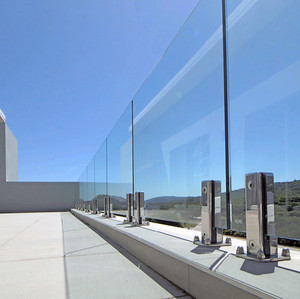
Factory Precision · Global Export Gateway
Certified Architectural Glazing & Fixed Window Systems
As an internationally certified manufacturer and direct port-side exporter serving the Hanseatic architectural landscape and worldwide commercial markets, we engineer precision-machined fixed glass window profiles, panoramic picture glazing, and integrated safety envelope balustrades. Engineered to meet strict European standards (DIN EN 14351-1, EnEV / GEG 2024, and Passive House criteria), our factory units unite maritime-grade corrosion resistance with peak thermal efficiency.
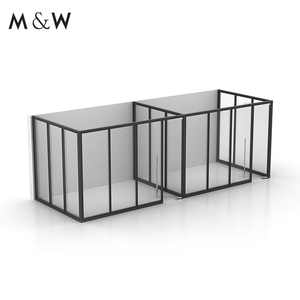
Modular Soundproof Glass Office Partition System
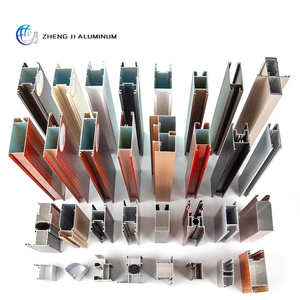
Custom Slim Extruded Aluminum Profiles for Fixed Windows
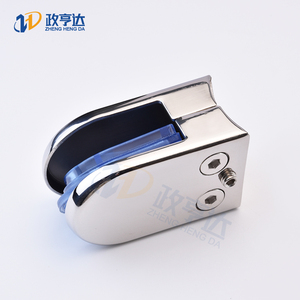
Tempered Balcony Glass Mount Clamp & Fitting
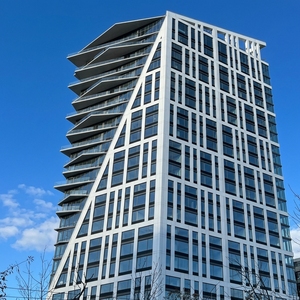
Commercial Laminated Glass U-Channel System 6+6 / 8+8
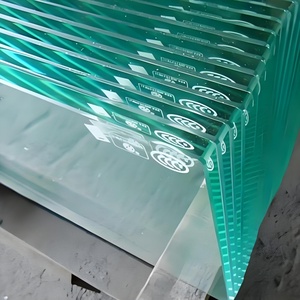
Hollow Safety Tempered Glass Landscape Perimeter Enclosure
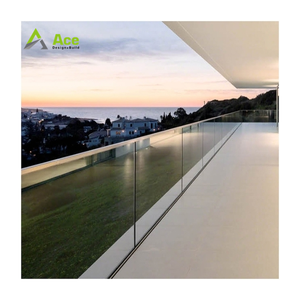
Frameless Structural U-Channel Stair & Balcony Railing
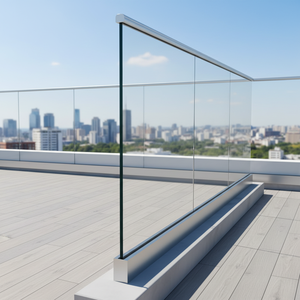
Precision Stainless Steel Glazing Connectors & Posts
15+
Years Manufacturing & Global Engineering
1,200+
Large Commercial & Residential Sites
0.78
Uw Value (W/m²K) Passivhaus Certified
C5-M
Marine Corrosion Surface Classification
100%
DIN EN 18008 & CE Compliant Production
Architectural White Paper
Engineering Fixed Glass Windows for Northern German Climatic Exposures
Fixed architectural windows (Festverglasung) represent the purest union of visual transparency, structural load capability, and thermal performance. Because fixed framing systems remove the perimeter mechanical tolerances required for operable sashes, they provide unmatched airtightness, acoustic attenuation, and large-format structural integrity for harsh coastal environments like Hamburg and the lower Elbe region.
Thermal Transmittance & Building Energy Act (GEG 2024) Alignment
Under Germany's strict Gebäudeenergiegesetz (GEG), modern building envelopes must dramatically cut heat loss. Fixed windows exported and fabricated for Hamburg installations incorporate multi-chambered, thermally broken aluminum alloy sections (6063-T6 / 6060) featuring continuous 34mm to 44mm glass-fiber reinforced polyamide (PA66 GF25) thermal insulation bars.
By combining high-performance triple-pane insulated glass units (IGUs)—featuring soft-coat low-emissivity layers on surfaces #2 and #5, 90% argon gas fills, and warm-edge composite spacers (Swisspacer Ultimate / Technoform)—our fixed systems consistently achieve total frame-and-glass thermal performance of Uw ≤ 0.80 W/(m²K). This level easily fulfills both EnEV/GEG standards and international Passivhaus criteria.
Eliminating operable hinges allows structural engineers to specify continuous internal structural silicone glazing (SSG) seals along the frame perimeter. This seals out drafts and prevents moisture infiltration even during severe windstorms over the German Bight.
Wind Load & Maritime Structural Rigidity
Hamburg is designated under German Eurocode 1 (DIN EN 1991-1-4) as Wind Zone 3/4. Wind loads along the Port of Hamburg, HafenCity, and the lower Elbe can exceed design pressures of 1.4 to 2.2 kN/m².
Our fixed profiles boast high moments of inertia (Ix > 120 cm⁴), preventing glass deflection beyond the strict L/300 or 8mm maximum limits set by DIN 18008. This ensures total safety during gale-force maritime weather.
Technical Benchmark: Commercial Fixed Glazing Performance Matrix
| Performance Parameter | German / European Test Standard | Factory Standard Specification | Hamburg Maritime / Extreme Specification |
|---|---|---|---|
| Thermal Transmittance (Uw) | DIN EN ISO 10077-1 / EN 10077-2 | 0.95 W/(m²K) (Double Glazed Low-E) | 0.72 – 0.82 W/(m²K) (Triple / Argon Filled) |
| Acoustic Attenuation (Rw) | DIN EN ISO 10140-2 / DIN 4109 | 36 dB (Sound Class 3) | 46 – 51 dB (Sound Class 5/6 Acoustic PVB) |
| Air Permeability | DIN EN 12207 | Class 4 (600 Pa test pressure) | Class 4 Exceeded (> 900 Pa verification) |
| Watertightness | DIN EN 12208 | Class 9A (600 Pa water jet) | Class E1200 (1200 Pa sustained torrential) |
| Wind Load Resistance | DIN EN 12210 | Class C3 (1200 Pa) | Class C5 / B5 (2000 – 3000 Pa dynamic) |
| Corrosion Resistance Class | DIN EN ISO 12944 / Qualicoat Seaside | Category C3 (Urban Industrial) | Category C5-M (Marine Coastal / Saline Industrial) |
Urban Integration & Engineering Fit
Localized Application Scenarios Throughout the Hamburg Metropolitan Area
Hamburg's architectural character bridges historic red-brick industrialism, exposed maritime port infrastructure, and clean modern commercial glass lines. Our engineered fixed windows are precision-manufactured to excel across these specific regional environments.
HafenCity Waterfront
Harbor Glass Towers
Extreme exposure to tidal wind shear and salt-laden mist demands C5-M Qualicoat Seaside powder coating and structural laminated glass compliant with TRAV and DIN 18008-4 for fall-protection barrier installations.
Speicherstadt Historical
Heritage Industrial Facades
Ultra-slim aluminum extrusion sightlines mimicking historic cast-iron mullions allow heritage preservation projects (Denkmalschutz) to upgrade to triple-glazed thermal insulation without altering external brickwork profiles.
Blankenese & Elbchaussee
Luxury Riverfront Estates
Oversized floor-to-ceiling picture glass windows up to 6000mm × 3210mm deliver panoramic river views with solar control coatings (g-value 0.32) that prevent interior summer overheating.
Port Commercial Hubs
Acoustic Port Logistics Centers
Sound insulation glass units configured with asymmetrical thick float panes (e.g., 10mm float + 16mm argon cavity + 12.76mm acoustic laminated) dampen low-frequency container terminal and ship horn noise.
Future-Proof Architecture
Building Code Trends Shaping North German Window Procurement
Procurement teams and architects in Hamburg are shifting their specifications toward measurable sustainability, lifecycle decarbonization, and strict regional regulatory compliance.
Low-Embodied Carbon Aluminum
Hamburg projects increasingly demand Environmental Product Declarations (EPDs). Our factory profiles use certified post-consumer recycled aluminum, produced with hydropower smelting to keep carbon emissions below 4.0 kg CO₂ per kg of aluminum.
DIN 18008 Fall-Protection Mandates
With floor-level fixed windows common in new multi-story construction, compliance with DIN 18008-4 (formerly TRAV) for impact resistance is mandatory. Our factory fabricates laminated safety glass (VSG) featuring structural ionoplast interlayers (SentryGlas).
Solar Gain Optimization (g-value)
Summer thermal comfort requirements under DIN 4108-2 now require fixed facade designs to minimize solar heat gain. We integrate advanced spectrally selective glass that balances maximum daylight transmittance (LT > 65%) with low solar heat entry (g ≤ 0.35).
CNC Extrusion Processing
Multi-axis CNC milling centers cut, mill, and drill aluminum frames with sub-millimeter precision (±0.2mm), ensuring tight miter joints and air-barrier continuity across complex window spans.
Dual-Seal Barrier Gaskets
Continuous vulcanized EPDM center gaskets paired with outer silicone weather barriers guard against wind pressures up to 3000 Pa, stopping draft leaks and winter thermal bridging.
Full CE & DIN Compliance
Every window unit leaves our facility with verified Factory Production Control (FPC) documentation, CE marking, and DIN EN 14351-1 declarations of performance to speed German site approvals.
Engineered Sea Freight Packaging
Custom heavy-duty, steel-reinforced A-frames and moisture-sealed ISPM 15 timber crates protect glass coatings and frame finishes against salt air and physical impact during sea transit.
Procurement & Technical Insights
Frequently Asked Questions for Fixed Glazing Procurement
Clear, technical answers to common questions asked by general contractors, structural facade consultants, and procurement managers sourcing fixed glass systems for Hamburg projects.
How do your fixed window systems comply with the German GEG (Building Energy Act)?
Our fixed window frames use polyamide insulating strips between 34mm and 44mm, combined with warm-edge spacers and triple-glazed Low-E units filled with 90% argon gas. This setup delivers certified Uw values between 0.75 and 0.85 W/(m²K), easily beating the GEG baseline of 1.3 W/(m²K) and meeting Passivhaus standards (Uw ≤ 0.80 W/(m²K)).
What surface finishes are used to resist Hamburg's coastal North Sea climate?
For maritime exposures like the Port of Hamburg, Elbchaussee, and HafenCity, our aluminum frames undergo Class 2 pre-anodization followed by Qualicoat Seaside-certified thermosetting architectural powder coating. This provides a minimum 60-80 micron dry film thickness, resisting filiform corrosion and salt mist under ISO 12944 Category C5-M marine classifications.
Can you manufacture oversized panoramic fixed picture windows without transoms?
Yes. Our heavy-duty architectural extrusion profiles (structural face widths up to 150mm) accommodate monolithic insulated glass units up to 3210mm × 6000mm. We calculate internal glass stress and wind deflection using finite element analysis (FEA) to confirm compliance with DIN 18008 requirements.
How are glass units replaced if damaged in structural fixed systems?
Our systems feature an interior-clip glazing bead design. In the rare event of glass damage, technicians remove the interior snap-in aluminum beads and wedge gaskets to replace the insulated glass unit from the building interior—eliminating the need for expensive exterior scaffolding or swing stages in high-rise buildings.
What acoustic glazing is recommended for properties near the Port of Hamburg?
For sites close to freight rail lines, harbor cranes, or ship corridors, we configure asymmetrical double- or triple-glazed units using acoustic PVB laminated glass (e.g., 8mm float + 16mm argon + 10.76mm acoustic laminated glass). This achieves sound transmission loss up to Rw + Ctr = 47–50 dB, meeting German Sound Protection Class 5 (VDI 2719).
What are your sea-freight lead times and logistical handling via the Port of Hamburg?
Standard factory fabrication requires 3 to 4 weeks depending on glass tempering and custom extrusion anodizing. Direct container shipping from major manufacturing export ports to the HHLA Container Terminals (Altenwerder/Burchardkai) in Hamburg takes roughly 24 to 28 days on the water. All shipments travel in closed, desiccant-protected sea containers.
Request Structural Glazing Calculations & Technical Catalog
Connect directly with our engineering team for CAD cross-sections, structural wind load analysis under DIN EN 1991, thermal simulations, and direct factory pricing for fixed glass projects in Hamburg and international markets.