Mexico's luxury architectural sector is experiencing unprecedented growth driven by commercial nearshoring hubs in Monterrey and Guadalajara, combined with aggressive high-density coastal hospitality construction across the Riviera Maya, Cancún, and Los Cabos. In these coastal and seismic environments, conventional post-mounted balustrades are rapidly giving way to frameless surface-mounted and core-drilled spigot glass railing systems. Procuring directly from certified original-equipment Chinese manufacturers allows Mexican general contractors, developers, and engineering firms to combine rigorous structural precision with unmatched cost efficiencies.
Architectural Performance Beyond Aesthetic Appeal
Specifying frameless spigots and structural glass balustrades for Mexican commercial and residential towers requires balancing architectural transparency with severe regional environmental stresses. In Quintana Roo and Baja California Sur, systems must withstand sustained cyclic gusting exceeding 240 km/h under ASTM E1996 hurricane criteria. Simultaneously, urban developments within seismic Zone D, including Mexico City (CDMX) and Oaxaca, demand high inter-story drift elasticity to prevent unyielding hardware from inducing shear failure across tempered panels.
Duplex 2205 Metallurgy: PREN (Pitting Resistance Equivalent Number) > 35, engineered for high-salinity Pacific and Caribbean ocean spray.
Engineered Architectural Balustrade & Glazing Systems
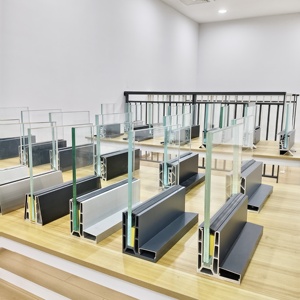
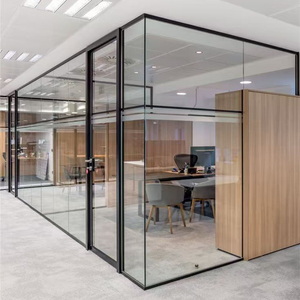
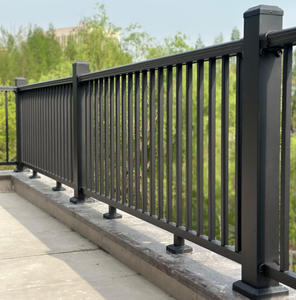
High-performance structural spigots, base shoe aluminum channels, tempered balustrades, and complementary architectural entry systems pre-engineered for commercial mixed-use, luxury hospitality, and high-end residential projects in Mexico.
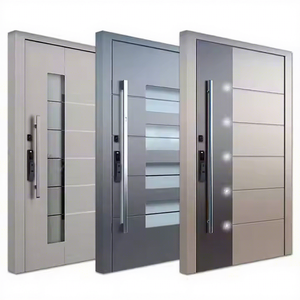
Heavy-duty architectural pivot systems engineered with concealed heavy floor springs, multi-point perimeter security locks, and anti-corrosion thermal-break coatings for coastal villas.
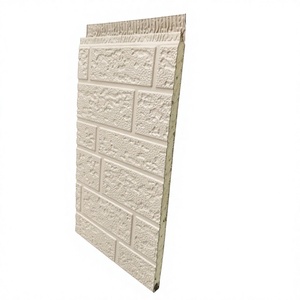
High-density polyisocyanurate (PIR) core aluminum insulated panels providing superior thermal barrier ratings (R-value) for modern modular villas and energy-efficient building envelopes.
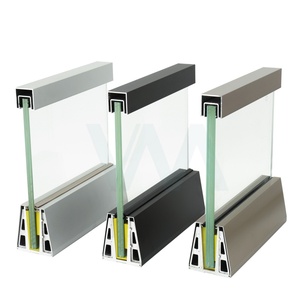
Low-profile exterior base track engineered for rapid slab-edge or flush mounting. Complete integrated drainage slots to avoid water damming during tropical storm seasons.
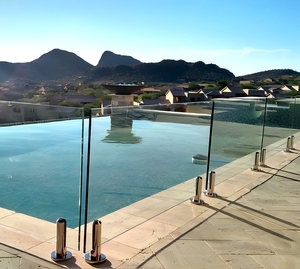
Heavy-gauge 15mm toughened monolithic safety glass with CNC flat polished arrissed edges and countersunk pre-drilled points, tested for impact according to ANSI Z97.1 & NOM standards.
Localized Application Environments Across Mexican Regions
Mexico’s diverse geography presents drastically different climatic and structural challenges, spanning high-seismic faulting, hyper-saline Caribbean coastal moisture, and arid Pacific UV indices.
Riviera Maya & Cancún
Hurricane Velocity & Salt Fog: Resorts in Tulum, Playa del Carmen, and Puerto Morelos require Duplex 2205 friction spigots anchored into high-density cured concrete. Systems must incorporate 17.52mm SentryGlas (SGP) laminated glass panels capable of sustaining 240+ km/h tropical cyclone wind loads without frame dislodgement.
Los Cabos & Puerto Vallarta
Extreme UV & Ocean Cliff Elevation: Clifftop residential villas along Baja California Sur face persistent thermal expansion and high salt spray. Anodized 25-micron aluminum sub-channels combined with marine-grade 316 spigots prevent surface tea-staining while ensuring panoramic, unobstructed sea horizons.
CDMX & Central Seismic Zone
High Inter-Story Drift Flexibility: High-rise residential towers in Santa Fe, Polanco, and Reforma are subject to rigorous CDMX seismic codes (Zone III lacustrine clay). Spigot clamp assemblies are integrated with vulcanized EPDM gaskets allowing up to 1.5% lateral floor displacement without transferring torque loads into brittle glass edges.
Monterrey Industrial & Corporate
Thermal Amplitude & Commercial High Spans: In Nuevo León’s San Pedro Garza García corridor, extreme seasonal thermal swings (-2°C to 42°C) necessitate precision CNC tolerance engineering. Base shoe aluminum balustrades paired with 15mm heat-soaked tempered glass preserve structural rigidity across expansive public atriums.
The demand for Chinese-manufactured glass balustrades across Mexico is propelled by regulatory modernizations, foreign direct investment, and shifting architectural philosophies.
Trend 01
The "Invisible Horizon" Aesthetic in Luxury Tourism
International hotel operators (Marriott, Hyatt, Rosewood) expanding across the Mexican Pacific and Caribbean Riviera require uninterrupted sightlines. Bulky vertical baluster posts are being phased out in favor of floor-level spigots and recessed aluminum base shoes. This minimalist detailing allows ocean views to flow seamlessly from suite interiors onto infinity decks, boosting premium resort nightly rates.
Trend 02
Shift from SS304/SS316 to Duplex 2205 Alloy Specifications
Historical installations using SS304 or lower-grade SS316 along the Mexican coastlines suffered premature cosmetic rusting and micro-pitting within 18 months due to elevated chloride concentrations and heat. Mexican architectural specifications now increasingly mandate Duplex 2205 grade stainless steel casting, which guarantees a 15-year lifecycle free from oxidation and structural corrosion.
Trend 03
Adoption of ASTM E2358 & NOM Safety Glass Standards
Municipal building regulators in Quintana Roo, Jalisco, and Mexico City are enforcing stricter occupant load impact resistance under NMX-E-082-CNCP standards. Importers are requiring certified test reports verifying that spigots withstand a 50 lb/linear foot uniform horizontal load and a 200 lb concentrated load applied at the top railing rail without catastrophic anchor failure.
Enterprise Competence
Our Direct Manufacturing & Engineering Edge
Drawing from over 15 years of precision architectural hardware production, our factory integrates advanced metal casting, automated CNC machining, and comprehensive physical testing protocols tailored for foreign commercial procurement.
Full In-House Lifecycle Quality Control
Unlike middle-tier trading agencies, our fabrication floor controls every stage of production from raw ingot melting to final multi-axis CNC surface machining. Every production heat undergoes optical emission spectrometry to verify chromium, nickel, and molybdenum content before casting. This ensures zero porosity and eliminates the microscopic inclusions that cause stress cracks under load.
Spectrometer Material Batch Certificates: Issued with every batch, certifying chemical composition complies precisely with ASTM A276.
Precision CNC 5-Axis Milling: Spigot clamp tolerance maintained within ±0.05mm for a secure fit with 10mm–21.52mm glass panels.
Streamlined Import Protocols: From Chinese Factories to Mexican Job Sites
Importing structural metal and glass products requires navigating international freight routes, customs documentation, and durable seaworthy packaging to prevent transit damage.
Port Routing & Transit
Direct container shipping from Ningbo, Shanghai, or Shenzhen to key Mexican ports: Manzanillo and Lázaro Cárdenas on the Pacific coast (18–24 days transit), or via Panama canal transshipment to Veracruz and Altamira for Atlantic destinations.
Customs Documentation
Full documentation suites provided: Commercial Invoices, Packing Lists with detailed net/gross metrics, Certificate of Origin (COO), and exact tariff classification (Fracción Arancelaria: typically 7308.90 or 7610.90) to assist your Mexican customs broker (Agente Aduanal).
Packaging & Protection
Spigots are individually packaged in protective pearl cotton bags and partitioned cartons to prevent scuffing. Glass panels are packed in solid, fumigated plywood crates with cork separation pads, desiccant pouches, and steel strap reinforcements.
Turnkey Project Support
Job-lot numbering, color-coded installation keys, and comprehensive shop drawings supplied with shipments. We also offer on-site coordination and rapid replacement air couriers via DHL/FedEx for any urgent site revisions.
Procurement Clarifications
Frequently Asked Questions for Mexican Importers
Key considerations for Mexican architects, general contractors, developers, and purchasing managers when sourcing glass railing systems from China.
Which stainless steel alloy should be specified for Mexican coastal areas?
For oceanfront installations in Cancún, Riviera Maya, Los Cabos, or Puerto Vallarta, we strongly advise Duplex 2205 stainless steel. Standard 304 will oxidize within months, while 316 can develop surface tea-staining under tropical sea fog. Duplex 2205 has a Pitting Resistance Equivalent Number (PREN) above 35, providing superior resistance to salt crystallization, chlorides, and humid heat.
Can you manufacture spigots to meet Mexican NOM and civil protection standards?
Yes. Our structural balustrades are engineered to comply with both NOM safety guidelines and international criteria like ASTM E2358. We provide detailed engineering calculation packages that can be submitted to local municipal authorities (Dirección de Obras Públicas) for construction permitting across all Mexican states.
What is the standard production and shipping lead time to Mexican ports?
Standard production turnaround for customized spigots and cut-to-size glass balustrades is 20 to 30 days after shop drawing approval. Ocean freight transit from major Chinese ports (Ningbo/Shanghai/Shenzhen) to the Port of Manzanillo or Lázaro Cárdenas takes 18 to 25 days, allowing reliable 45 to 60-day project procurement cycles.
Do your spigot systems require holes to be drilled in the glass panels?
We offer both friction-clamped and pin-locking spigot systems. Our core-drilled and surface-mounted friction spigots utilize internal pressure plates that clamp the glass panel securely without requiring drilled holes. This design lowers glass tempering costs and allows quick plumb adjustment on site during installation.
How do you safeguard glass and mirror finishes against damage during ocean transit?
Spigot hardware is wrapped in anti-scratch foam sleeves, boxed in small units, and palletized in moisture-wrapped cartons. Glass balustrades are crated in bespoke, fully enclosed fumigated plywood boxes lined with waterproof film, corner guards, and silica desiccant to prevent moisture damage during the transpacific voyage.
Can you provide custom finishes like Matte Black or PVD Titanium Gold?
Yes. Beyond standard brushed satin and mirror finishes, we offer electrostatically applied architectural powder coatings, marine-grade anodizing (up to 25 microns for aluminum channels), and PVD vacuum-metallized treatments (Matte Black, Gunmetal, Brushed Brass, and Champagne Bronze) engineered to resist coastal weathering.
Plan Your Railing Project With Our Engineering Team
Send us your architectural drawings, elevation plans, or Bill of Quantities (BOQ). Our structural engineering team will review your specifications and deliver 3D CAD/Revit shop drawings along with a factory-direct quote for the Mexican market.