HVHZ Engineering & High-Velocity Facades

OEM/ODM Hurricane Impact Windows Manufacturers & Factories

Precision-engineered architectural fenestration, ASTM E1886/E1996 missile-impact-certified curtain walls, heavy-duty 6063-T6 aluminum thermal break extrusions, and turnkey global OEM/ODM contract manufacturing.

15+
Years of Precision Extrusion
1,200+
Commercial & Villa Sites
+/-120
Max Design Pressure (PSF)
100%
Traceable Billets & Glazing
Engineering Catalog

High-Performance Architectural Fenestration & Impact Systems

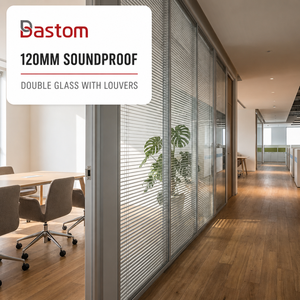
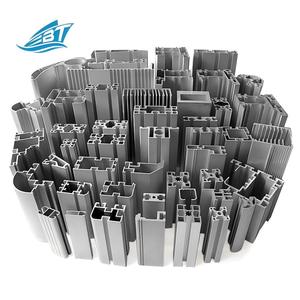
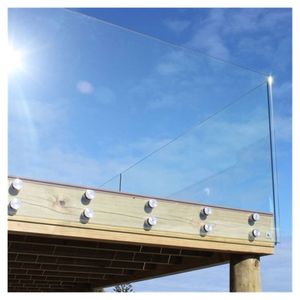
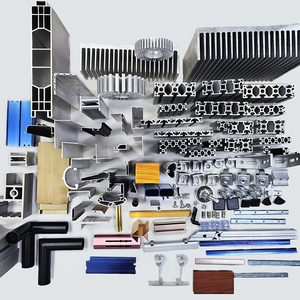
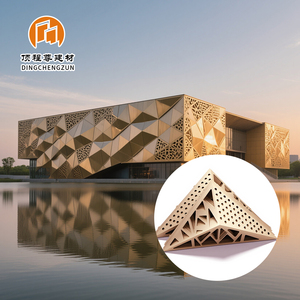
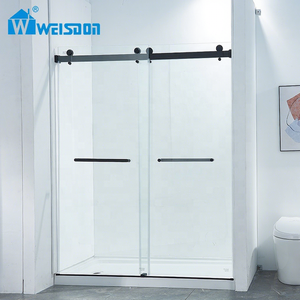
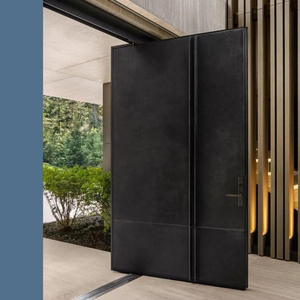
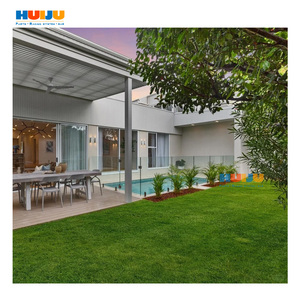
Direct from our precision manufacturing facility: heavy-duty structural glass, thermal-break fenestration, perforated dynamic facades, and hurricane-rated entrance solutions tailored to international building codes.

Enterprise Advantage

Integrated Manufacturing Infrastructure & Quality Rigor

Built upon 15+ years of architectural fabrication leadership and over 1,200 commercial and residential envelope deliveries, our vertically integrated plant controls every stage from raw aluminum extrusion to high-precision structural glazing.

In-House Die Tooling & Extrusion

We operate dedicated billet heating, extrusion presses from 1,200 to 3,600 metric tons, and precision drawing lines utilizing certified 6063-T6, 6061-T6, and 6005A alloys with uniform metallurgical consistency and zero scrap contamination.

  • Custom profile tolerances to EN 12020-2 / ASTM B221
  • Polyamide PA66 thermal strut crimping line

Class 10,000 Cleanroom Lamination

Our impact glass processing facility features climate-controlled autoclave lamination chambers handling high-modulus ionoplast interlayers (SentryGlas®) and specialized acoustic polyvinyl butyral (PVB) without optical distortion or delamination risks.

  • ASTM C1172 compliance for laminated architectural glass
  • Automated ceramic frit and Low-E magnetron sputtering

5-Axis CNC Precision Machining

Every window frame, mullion joint, drainage notch, and hardware mortise is machined by dual-spindle 5-axis CNC machining centers, eliminating field modification errors and guaranteeing micron-level corner seal integrity under extreme pressure.

  • Automated corner crimping with structural injected epoxy
  • Multi-point mortise routing for concealed heavy-duty locks
Engineering White Paper

Structural Mechanics of Hurricane Impact Windows

Fenestration systems in severe coastal zones and High-Velocity Hurricane Zones (HVHZ) face destructive cyclic pressures, kinetic missile impacts, and wind-driven water ingress. Here is how our OEM/ODM systems solve envelope failure mechanisms.

Performance Parameter Standard Commercial Window OEM Impact Standard (PVB) HVHZ Monumental Grade (SentryGlas®)
Design Pressure (DP Rating) DP 25 - 35 PSF DP 50 - 70 PSF DP 85 - 120+ PSF
Missile Impact Resistance None (Shatters under debris) ASTM E1996 Missile Level C/D ASTM E1996 Level D & E / TAS 201
Interlayer Shear Modulus N/A ~2 to 4 MPa (24°C) ~100 MPa (5x rigidity of PVB)
Cyclic Wind Loading Test Failed past 1,500 cycles ASTM E1886: 9,000 cycles TAS 203: 9,000 cycles (+/- 100 PSF)
Air & Water Infiltration AAMA 501.1 @ 6.24 PSF ASTM E331 @ 12.0 PSF (No Leakage) ASTM E331 @ 15.0+ PSF / Dynamic Spray
Post-Glass Fracture Integrity Immediate total collapse Retains membrane in frame Remains upright, resists gust blow-out

Missile Impact Kinetics (ASTM E1886/E1996)

Impact certification mandates that a window assembly must survive direct projectile impact without envelope penetration. For ASTM Level D compliance, the testing protocol fires a 9-pound (4.1 kg) 2x4 Southern Yellow Pine lumber projectile at a velocity of 50 feet per second (34 mph / 55 km/h) directly at the center and corner of the glazing assembly. Immediately following impact, the test unit is subjected to 9,000 cycles of positive and negative pressure oscillations simulating the passage of a Category 5 hurricane eye-wall. Our assemblies absorb the massive kinetic energy transfer through engineered structural silicone bite depths (minimum 1/2" to 3/4" Dow Corning 995/983) and high-yield aluminum extrusions.

Structural Silicone Glazing (SSG) Bite Calculation

The structural joint between the glass laminate and the aluminum sash is the primary load transfer conduit. Conventional snap-in glazing beads fail under negative cyclic wind loads, causing full panel blowout. We compute the exact structural bite width using finite element modeling (FEM) based on building height, terrain exposure category, and corner vortex factors. By applying automated two-component structural silicone dispensing with continuous substrate plasma pre-treatment, we achieve a guaranteed chemical adhesion bond that resists both extreme suction pressures exceeding 120 PSF and long-term UV-induced bond fatigue.

Market Intelligence

Future Trends in Fenestration Sourcing & Procurement

The global hurricane impact fenestration market is transitioning from fragmented local assembly to highly integrated, digitally verified OEM/ODM global supply partnerships. Developers, facade contractors, and trading houses must align with key industry shifts.

1. Ultra-Low Embodied Carbon & Green Aluminum

International environmental regulations (including EU CBAM and US LEED v4.1 requirements) are pushing procurement teams toward certified green aluminum billets. Leading factories utilize hydropower-smelted aluminum or minimum 75% post-consumer scrap recycling (e.g., Hydro CIRCAL standards), decreasing embodied carbon from 16 kg CO2e/kg down to under 4.0 kg CO2e/kg aluminum without compromising structural tensile properties.

2. BIM LOD 400 & Parametric Fabrication

Manual shop drawings are rapidly being replaced by complete digital integration. Leading OEM/ODM partners now ingest Revit / IFC architectural BIM models directly into automated CAM cutting sequences. This eliminates discrepancies between architectural curtain wall spandrels, slab deflections, and factory fabrication tolerances, reducing on-site installation rework costs by up to 35%.

3. Hyper-Insulative Multi-Cavity Thermal Breaks

Historic hurricane windows sacrificed thermal efficiency for brute strength. Current design trends demand U-factors below 0.28 BTU/(h·ft²·°F) alongside DP100 impact ratings. Modern production integrates multi-chambered polyamide 66 insulating bars with 25% glass fiber reinforcement, hollow aeration cavities, and low-E double or triple-glazed argon-infilled cavities for compliance with zero-energy building standards.

4. Extreme Marine Anti-Corrosion (C5-M Coating)

Coastal hurricane regions present aggressive saline and high-humidity environments. Global procurement standards now specify architectural PVDF (polyvinylidene fluoride) fluorocarbon coatings matching AAMA 2605 or Class 1 marine-grade anodizing (minimum 25 microns). These finishes endure 4,000+ hours of continuous salt-spray testing without chalking, blistering, or galvanic degradation.

5. Unitized Prefabricated Window Walls

To bypass severe labor shortages and elevated installation costs in North America, Europe, and Australasia, contractors are pivoting from stick-built systems to fully unitized window walls. Assemblies arrive on-site pre-glazed, pre-sealed, and pre-tested with inter-story expansion joints, dropping building dry-in timelines by more than 50%.

6. Smart Fenestration & Dynamic Shading

The convergence of impact glass with electrochromic (smart tinting) glazing and motorized architectural louvers allows intelligent solar heat gain management. Large commercial envelopes dynamically optimize light transmission (VLT) while remaining permanently impact-safe, eliminating exterior hurricane storm shutters.

Accelerate Your Project with Turnkey OEM/ODM Engineering

Send us your architectural elevations, wind-load design schedules, or custom profile CAD files. Our engineering department provides structural static calculations, BIM models, and comprehensive DDP/FOB pricing within 48 hours.

Procurement FAQ

Frequently Asked B2B Technical Questions

Comprehensive engineering, regulatory, and logistics answers for procurement directors, project developers, and architectural contractors.

What is the distinction between Large Missile and Small Missile Impact testing?

Under ASTM E1886/E1996 and Florida Building Code (TAS 201), Large Missile testing (Level D) applies to the bottom 30 feet of a building. It requires firing a 9-lb (4.1 kg) 2x4 timber at 50 ft/s at the specimen. Small Missile testing (Level A) applies to installations above 30 feet, using 10 steel ball bearings weighing 2 grams each fired at 130 ft/s (89 mph). In High-Velocity Hurricane Zones (HVHZ), large missile impact resistance is frequently mandated across all elevation openings up to several stories.

When should we specify SentryGlas® (SGP) instead of standard PVB interlayers?

Standard PVB (0.060" / 0.090") is suitable for mid-range residential windows where post-breakage retention under cyclic load is moderate. SentryGlas® (ionoplast) provides 5 times the tear strength and up to 100 times the rigidity of standard PVB. SGP is mandatory for frameless structural balustrades, commercial curtain walls with high Design Pressures (DP80+), and installations subject to elevated ambient temperatures where PVB softens and creeps.

How does your factory manage custom OEM profile extrusion dies?

We provide full-service custom die engineering. Upon approval of the 2D CAD and 3D step files, our tool & die division machines H13 tool steel extrusion dies within 12–15 business days. We provide physical T0 prototype extrusions for dimensional verification, wall thickness measurement, and tensile load testing before initiating volume mass production.

Can overseas developers manage quality inspections and FAT remotely?

Yes. We deploy comprehensive remote Quality Control tracking. Clients receive complete raw material chemical mill certificates, anodizing thickness eddy-current readouts, and high-definition video documentation of in-house hydrostatic testing and laser alignment checks. We also routinely host third-party inspection firms (SGS, TÜV, Intertek) nominated by the client prior to final container packing.

What maritime export packaging guarantees zero glass damage during transoceanic shipping?

Glazed units and assembled windows are packed using heavy-gauge heat-treated fumigated plywood crates (IPPC ISPM-15 compliant). Each glass panel is isolated with cork pads, desiccants, and shrink-wrapped polyethylene vapor barriers. Crates are fixed inside 40ft HQ shipping containers with heavy-duty ratchet straps and steel dunnage to eliminate transit vibration and sea-swell shifting.

What minimum order quantities (MOQ) and production lead times apply?

Standard architectural systems require a flexible minimum order of 50 m² for custom dimensions, or 1x20GP container for full OEM production runs. For entirely new aluminum profile extrusion dies, our minimum run is typically 500 kg per section. Typical production lead times range between 25 and 35 calendar days depending on glass composition and powder-coat finish complexity.

Project Lifecycle

The OEM/ODM Contract Manufacturing Protocol

From initial design intent to global site delivery, our institutional process ensures zero tolerance variations, verified structural performance, and on-schedule handover.

Step 01

Engineering Consultation

Review of architectural plans, wind load schedules, local fenestration code requirements, and profile thermal specifications.

Step 02

CAD / BIM & Tooling

Generation of shop drawings, finite element structural calculations, extrusion die design, and corner assembly 3D modeling.

Step 03

Prototype & Mockup Lab Test

Fabrication of full-scale test mockups for wind load, water penetration, and cyclic impact verification in certified laboratories.

Step 04

Automated Mass Production

CNC precision milling, structural silicone automated application, clean-room lamination, and rigorous assembly-line QA.

Step 05

Global Logistics & Handover

Seaworthy crate packing, moisture barrier sealing, container consolidation, and DDP/CIF international delivery tracking.