A comprehensive technical evaluation of structural aluminium sun shading solutions, lifecycle energy mitigation, metallurgical standards, and worldwide supplier compliance.
Years of Architectural Fabrication & Global Engineering Export
Major Commercial, Residential & Hospitality Projects Delivered
Certified Virgin Billets (Pak Alco, Chawla & International Standards)
Zero Size Constraints: Bespoke CNC Precision Milling & Laser Survey
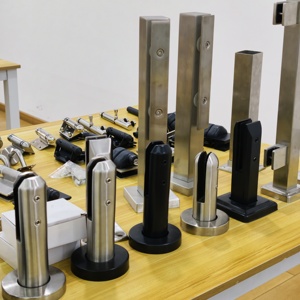
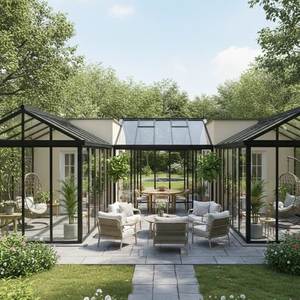
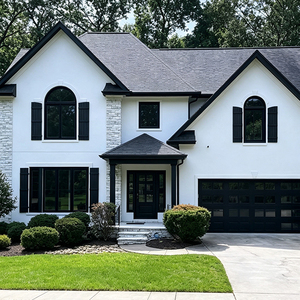
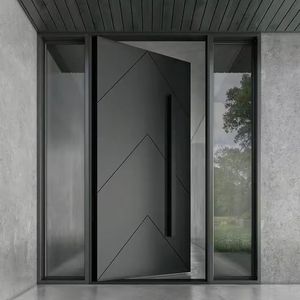
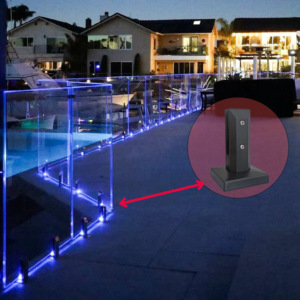
Explore our premium architectural catalog, spanning exterior insulated facade panels, solar enclosures, thermal-break glazed openings, and precision structural railings.
Evaluating optimal profile geometries, structural alloys, and architectural integrations based on programmatic building requirements.
For high-rise commercial curtains subjected to turbulent microclimatic wind shears, we engineer continuous aerofoil fins (widths from 150mm to 450mm) utilizing AA6063-T6 tempered extrusions. Integrated with concealed bracket armatures anchored directly to structural slab edges, these systems deflect high-angle solar irradiance while retaining unobstructed panoramic site lines.
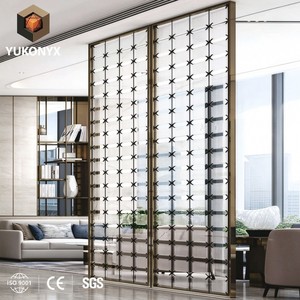
In cultural hubs, luxury hospitality, and premium corporate headquarters, custom-perforated CNC aluminium facades serve dual functions: micro-climate daylight attenuation and distinctive architectural branding. Anodized in 25-micron architectural metallic sheens or finished with 3-coat fluoropolymer coatings, these screens deliver an optimal balance of solar screening and natural airflow.
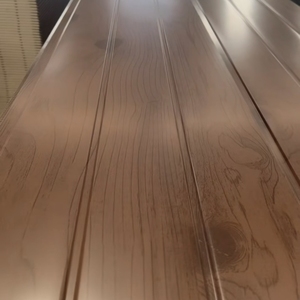
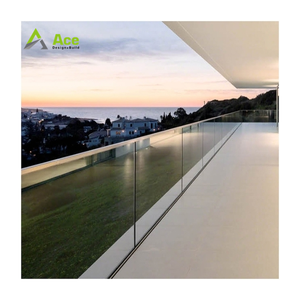
For high-end private villas and executive estates, our motor-actuated linear sunshades interface with home automation networks to modulate blade orientation dynamically. Paired with thermal-break patio glass enclosures, embossed exterior polyurethane insulated siding, and frameless balustrade systems, they create responsive living envelopes.
Comprehensive comparative benchmarks regarding metallurgical composition, surface treatments, mechanical load capacity, and energy performance.
| System Type | Alloy & Temper | Wall Thickness | Surface Treatment | Wind Load Standard | Solar Reduction (SHGC) |
|---|---|---|---|---|---|
| Continuous Aerofoil Louvers | AA6063-T6 / 6061-T6 | 2.0mm – 4.5mm | PVDF (AAMA 2605) / Qualanod Class 20 | ASTM E330 (Up to 4.5 kPa) | Up to 68% Reduction |
| Box-Section Brise-Soleil | AA6063-T5 / T6 | 2.2mm – 3.5mm | Super Durable Powder (Qualicoat 2) | EN 1991-1-4 Certified | Up to 55% Reduction |
| Operable Motorized Louvers | AA6060-T6 / 6063-T6 | 2.5mm – 4.0mm | Fluoropolymer PVDF 3-Coat | ASCE 7-22 Compliant | Dynamic Modulation (10%-85%) |
| PU Foam Metal Cladding Facades | AA3003 / 5052 Core | 0.5mm skin + 16mm PU | Fluorocarbon HDP / PVDF | GB/T 17748 / ASTM C273 | High R-Value / Thermal Barrier |
| Thermal-Break Glazing Integration | PA66 GF25 Polyamide | 1.8mm – 2.5mm Alum | Powder Coated / AkzoNobel | CSA A440 / Hurricane Level 5 | U-value ≤ 1.4 W/m²·K |
Anticipating structural shifts in global building codes, cross-border supply chains, carbon border adjustments, and pre-engineered envelope modularity.
International procurement strategies are evolving beyond baseline material costs. Tier-1 developers across the European Union, North America, the Middle East, and Australasia are mandating strict Environmental Product Declarations (EPD) and embodied carbon tracking down to primary smelting sources. The advent of the EU Carbon Border Adjustment Mechanism (CBAM) has accelerated the demand for aluminium profiles extruded from hydro-powered and recycled billets, driving emissions below 4.0 kg CO2e per kg of aluminium, compared to conventional coal-smelted benchmarks exceeding 16.0 kg CO2e.
Additionally, modular unitized assembly is redefining facade construction schedules. Forward-looking procurement directors increasingly demand pre-assembled, factory-bracketed sunshade modules that clip directly into structural mullion channels on-site. This methodology slashes high-elevation installation labor costs by up to 60% and eliminates hazardous site welding.
Procuring custom architectural systems overseas requires an unyielding quality control infrastructure. Leading engineering consultancies specify that overseas manufacturers fulfill three critical gatekeeper requirements:
1. Finite Element Analysis (FEA) Verification: Providing structural wind and seismic engineering calculations vetted by professional engineers prior to die casting.
2. Full-Scale Mock-Up (FSMU) Testing: Constructing sacrificial 1:1 scale facade sections subjected to dynamic water infiltration (ASTM E331) and structural load deflections (ASTM E330).
3. Transparent Bilateral Escrow & Milestone Signoffs: Aligning progressive payments with third-party metallurgical lab tests (SGS, TÜV) and mill test certificates.
How artificial intelligence, Internet-of-Things (IoT) actuators, and advanced nanotechnology coatings are converting passive building elements into dynamic energy generators.
Building-Integrated Photovoltaics (BIPV) represent the pinnacle of active envelope evolution. Next-generation aerofoil blades incorporate thin-film solar laminates or high-efficiency monocrystalline solar cells encapsulated within tempered architectural glass covers. These multifunctional louvers continuously shade the building while generating clean electricity, transforming expansive exterior facades into localized micro-generation power plants.
Static shades leave buildings vulnerable to oblique early morning and late afternoon solar angles. Next-gen motorized sunshades incorporate micro-actuator drives linked to central building management systems via BACnet or Modbus protocols. Utilizing astronomical solar coordinates and real-time roof pyranometer data, the louvers rotate autonomously to block direct glare while maximizing indirect ambient daylight.
Atmospheric particulates, soot, and industrial dust degrade facade aesthetics and demand costly high-rise cleaning operations. Modern architectural coatings infuse titanium dioxide (TiO2) photocatalytic compounds into PVDF resins. Under solar UV exposure, these surfaces break down organic pollutants, which are rinsed away by natural rainfall, preserving original metallic luster over decades.
Combining 15+ years of architectural fabrication heritage, in-house precision engineering, certified extrusion standards, and comprehensive project execution.
Unlike conventional trading intermediaries who broker bulk extrusions, we own and control the entire fabrication lifecycle from raw ingot homogenization and custom die extrusion through to 5-axis CNC machining, Qualicoat-certified surface finishing, and bespoke pre-assembly. This direct control eliminates dimensional variances and guarantees uncompromised project delivery.
Every production run undergoes a documented 6-stage Quality Assurance Verification cycle prior to container loading:
Clear, technical, and commercial answers addressing structural engineering, minimum order quantities, surface durability, and international logistics.
For primary structural sunshade blades, aerofoils, and outrigger brackets, we specify 6063-T6 or 6061-T6 aluminium alloys. AA6063 offers superior surface smoothness for anodizing and architectural powder coatings while providing excellent yield strength (minimum 170 MPa). For wide spans exposed to extreme cyclonic wind pressures, 6061-T6 provides a higher yield strength (minimum 240 MPa), ensuring deflection limits comply with L/175 or L/240 facade safety codes.
For coastal and industrial regions, we apply fluoropolymer coatings (PVDF/FEVE) complying with AAMA 2605 specifications, utilizing premium Kynar 500 or Hylar 5000 resins. This three-coat system (primer, color coat, clear protective topcoat) delivers over 35 microns of dry film thickness, resisting 4,000 hours of continuous salt-spray testing. Alternatively, Qualanod Class 20/25 architectural anodizing provides a 20-25 micron anodic layer that will not peel, chip, or flake under intense solar UV exposure.
Yes. Custom tooling and die development is a core technical service. We engineer bespoke dies based on your architectural CAD or Revit files within 7 to 12 working days. Once the test sample extrusion passes dimensional and mechanical validation, full production commences. Die costs are typically amortized or credited back on orders meeting specific volume thresholds.
Strategically engineered external solar louvers block direct solar radiation before it hits the building's thermal envelope. This reduces solar heat gain by 50% to 75%, allowing mechanical engineers to specify smaller HVAC chiller plants. Consequently, our systems contribute multiple points toward green building certifications, including LEED v4.1 (Energy and Atmosphere & Indoor Environmental Quality credits) and BREEAM International ratings.
Lead times vary with order scope, complexity, and custom die requirements. Standard catalog profiles typically require 15 to 20 business days for extrusion, finishing, and packaging. Complex bespoke orders requiring custom tooling, intricate 5-axis CNC machining, or specialized factory pre-assembly average 25 to 35 business days. Sea transit from major Chinese shipping ports (Shanghai, Ningbo, Shenzhen) takes 14 to 35 days depending on the destination port.
Direct contact between aluminium and dissimilar metals (such as structural carbon steel or concrete embed plates) in the presence of an electrolyte causes rapid galvanic corrosion. We provide precision-molded dielectric EPDM isolation gaskets, high-density neoprene shims, or non-conductive PTFE washers with all outrigger brackets and fasteners. All structural mounting bolts and anchors are specified in grade 316 stainless steel to ensure zero chemical reaction over building lifespans.
Yes. For large commercial projects, our field technicians can be deployed for on-site 3D laser scanning, capturing accurate real-world measurements within ±1mm before cutting profiles. For remotely managed projects, we utilize point-cloud scan files, building information models (BIM), and high-resolution video production updates, ensuring seamless collaboration for international developers, architects, and quantity surveyors.
Every commercial export consignment is dispatched with a comprehensive engineering documentation binder, including: Mill Test Certificates (MTC) conforming to EN 10204 3.1 verifying chemical composition and mechanical properties; Qualicoat/AAMA finish quality inspection certificates; finite element wind load calculation sheets; precise digital packing lists; Certificate of Origin (CO); and customized step-by-step installation shop drawings.
Partner with China's leading architectural aluminium manufacturer. From customized aerofoil louvers to unitized sunshade envelopes, our engineering desk delivers precision shop drawings, structural wind-load validations, and competitive direct factory pricing.