0%

Aluminium Casement Windows are side-hinged windows that open outward, usually with a handle or crank. Their simple movement makes them easy to operate and useful for directing fresh air into a room. Slim aluminium frames can also leave more space for glass, though actual sightlines vary by system.

The U.S. Department of Energy’s Energy Saver guidance estimates that heat gain and heat loss through windows account for about 25–30% of residential heating and cooling energy use. That figure is a reminder to assess the complete window, not just its frame. Glass specification, weather seals, installation, and local climate all affect performance. The National Fenestration Rating Council’s rating resources can help buyers compare tested energy characteristics. A high-performing frame alone is not a guarantee.

Building-science expert Joe Lstiburek’s guidance emphasizes that windows should be considered part of the building enclosure, rather than isolated products. This is a paraphrase, not a direct quotation. In practice, that means checking how the casement seals when closed and how carefully it is fitted into the opening. Feel the handle. Inspect the corners. Small gaps matter. Aluminium is strong and generally low-maintenance, but thermal performance depends on design; thermally broken frames can reduce heat transfer. One caveat: outward-opening sashes need clear space outside. A specification sheet helps, but it cannot reveal every installation detail. Ask about tested ratings, glazing options, and the installer’s method before choosing Aluminium Casement Windows.
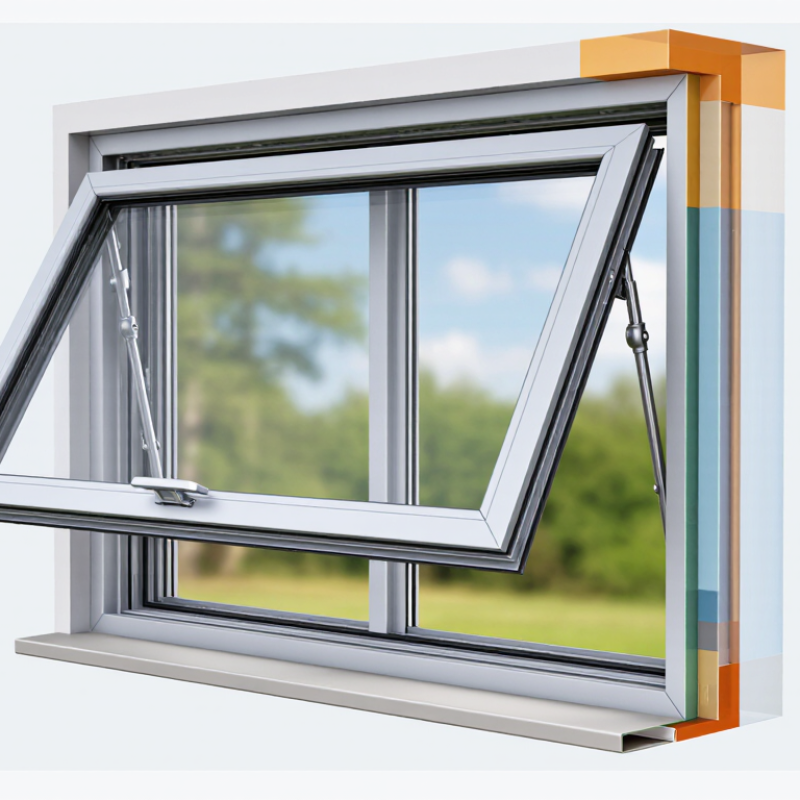
What Are Aluminium Casement Windows?

What Aluminium Casement Windows Are

An aluminium casement window has a sash hinged at the side of its frame. The sash swings open, usually outward, when you turn a handle or crank. Unlike a slider, it opens across most of the window area, making it easy to reach fresh air and clean the glass. Not quite a simple frame-and-glass assembly: hinges, seals, hardware, and installation all affect how it works.

Aluminium is strong, so frames can support broad panes with relatively slim edges. But the metal conducts heat readily. A thermal break—a non-metal section between the frame’s inner and outer surfaces—helps reduce heat transfer. The U.S. Department of Energy’s Energy Saver guidance estimates that heat gain and loss through windows account for about 25% to 30% of residential heating and cooling energy use. That estimate covers windows overall, not casement windows specifically. NFRC ratings, including U-factor and solar heat gain coefficient, help compare a window’s measured performance. It is easy to focus on the frame’s appearance; glazing, seals, and fitting matter just as much.

Key Components and Frame Construction

What Are Aluminium Casement Windows?

Key Components and Frame Construction

An aluminium casement window has a sash hinged to the frame, allowing it to swing open. The frame is typically made from extruded aluminium profiles, shaped into straight sections with hollow chambers for strength. Inside the opening sash, glazing beads hold the glass in place, while weather seals reduce drafts and rain entry. Small parts matter.

Hinges carry the sash’s weight and guide its movement. A handle operates locking points along the edge, helping pull the sash evenly against its seals. On larger windows, more locking points can improve compression, but poor alignment may still leave a noticeable gap. Fit matters, too.

Many modern frames include a thermal break: a less-conductive strip, often made from reinforced polyamide, between the inner and outer aluminium sections. This limits heat transfer through the frame, though the window’s overall performance also depends on the glass and installation. Corner joints may be crimped or mechanically fastened, and drainage channels help direct water back outside. A square frame can look precise on paper, yet even a small installation error may cause sticking or uneven seal contact. Check the corners, opening action, and seal compression—not just the finish.

How Casement Windows Open and Close

An aluminium casement window has a sash attached to the frame by hinges along one side. Turning a handle moves an operator arm, swinging the sash outward or inward, depending on the design. The opening is wide and clear, with no central meeting rail to interrupt the view. A gentle push should feel smooth. If the sash scrapes or needs force, the hinges or frame may need adjustment.

To close the window, turn the handle back until the sash meets the frame. Locking points pull it snug against the weather seals, helping limit drafts. The U.S. Department of Energy’s Energy Saver guidance estimates that heat gain and loss through windows account for 25%–30% of residential heating and cooling energy use. That figure covers windows generally, not casement units alone. A well-fitted casement can help reduce air leakage, but installation and seal condition matter. Even a small gap can be noticeable on a windy evening. Check that the sash sits evenly and the handle locks without excessive pressure; smooth operation is useful, though it does not prove the whole window is airtight.

Common Designs and Configurations

Aluminium casement windows use side hinges, allowing the sash to swing outward or inward. Their configurations range from a single opening sash to paired sashes meeting at the centre. A French casement has no fixed centre post, creating a wider clear opening when both sides are open. That can help when carrying a laundry basket through a narrow room. Small detail, big difference.

Common layouts include a fixed pane beside an opening casement, or several sashes arranged across a wide wall. Fixed sections bring daylight but do not provide ventilation; opening sections need space for handles, screens, and nearby paths. Outward-opening windows can suit rooms with limited indoor clearance, though wind exposure and exterior access deserve attention. There is no perfect layout. A beautiful wide opening can be awkward if it collides with a railing.

Glazing and seals matter as much as the frame arrangement. The U.S. Department of Energy’s Energy Saver guidance estimates that heat gain and loss through windows account for about 25%–30% of residential heating and cooling energy use. The figure is not a rating for any one casement design; actual performance depends on glazing, installation, climate, and air leakage. Check tested whole-window ratings, not just frame material, and consider how often each sash will be opened. A rarely used opening may add hardware without adding much practical ventilation.

Materials, Performance, and Typical Applications

What Are Aluminium Casement Windows?

Materials, Performance, and Typical Applications

Aluminium casement windows have hinged sashes that swing open from the side, usually with a handle and locking points. Their slim frames can leave more room for glass than bulkier frame designs. Frames are commonly made from extruded aluminium, sometimes finished with a durable coating. A thermal break separates the inner and outer frame sections to slow heat transfer. It helps, but it does not replace good glazing or careful installation.

Performance depends on the complete window, not the frame alone. Double glazing, effective seals, and correctly fitted hardware can improve comfort and reduce drafts. A poorly installed window may still leak air or admit water. Fit matters. Aluminium is strong and resists routine weathering, though coastal sites may need finishes suited to salt exposure. These windows work well in contemporary homes, extensions, and offices, especially where clear views and large openings are desired. The trade-off is real: metal frames can feel cold without a thermal break, and quality options may cost more than simpler alternatives.

Tips: Check the frame’s thermal-break design, glazing specification, and drainage details before choosing. Ask how the window will be measured and sealed on site. Small gaps matter. If possible, review a sample corner and operate the handle; smooth movement is easy to notice, but long-term performance depends on the installation too.

FAQS

What is an aluminium casement window?

It has a hinged sash that swings open from an aluminium frame. Small parts matter.

What do the hinges, handle, and locking points do?

Hinges support and guide the sash. The handle moves locking points, pulling the sash against its seals. Fit matters.

What is a thermal break?

It is a less-conductive strip between inner and outer frame sections. It limits heat transfer, but glazing and installation matter too.

What is a French casement window?

It has two opening sashes and no fixed centre post. Both sides can create a wider clear opening. Handy for a laundry basket.

Do fixed panes provide ventilation?

No. They bring in daylight, but only opening sections provide ventilation. Check how often you will use each sash.

Do more locking points always prevent drafts?

Not necessarily. They can improve seal compression, but poor alignment may still leave a gap. A tiny gap can be noticeable.

What should I check after installation?

Check the frame corners, opening action, drainage, and seal contact. A square-looking frame can still stick.

How much does the frame alone tell me about energy performance?

Not enough. Glazing, installation, climate, and air leakage all affect performance. Check tested whole-window ratings, not just frame material.

Conclusion

Aluminium Casement Windows are window units built with aluminium frames and hinged sashes that swing open from one side. Their construction typically includes a perimeter frame, one or more movable sashes, hinges, handles, seals, and glazing. The frame supports the glass and hardware, while seals help limit drafts and moisture when the window is closed. Aluminium’s strength allows for sturdy frames and relatively slim sightlines.

Casement windows usually open outward or inward using a handle that operates a locking mechanism, and they close by bringing the sash firmly against the frame. Common options include single- or multi-sash layouts, fixed sections alongside opening panels, and different hinge positions. Depending on the glazing, frame design, and installation, they can provide ventilation, daylight, and useful thermal and weather performance. They are used in homes and other buildings, with configurations chosen to suit the space, appearance, and practical requirements.

Vivienne

Vivienne

Vivienne is a professional marketing specialist with a strong understanding of product strategy, customer needs, and digital communication. As a valued member of the company’s marketing team, she combines industry insight with practical experience to create clear, informative, and engaging content......